Home
  • Residential
    • Above Ground
    • Below Ground
  • Commercial
    • Above Ground
    • Below Ground
  • Learning Center
    • Blog
    • Install Gallery
    • Installation Instructions
    • FAQs
Contact
Home
  • Residential
    • Above Ground
    • Below Ground
  • Commercial
    • Above Ground
    • Below Ground
  • Learning Center
    • Blog
    • Install Gallery
    • Installation Instructions
    • FAQs
CONTACT
Home
  • Residential Shelters
    • TwisterPod
    • Extreme
    • Panelized
    • GarageCube
    • Estate
  • Commercial Shelters
  • Learning Center
    • Blog
    • Install Gallery
    • Installation Instructions
    • FAQs
  • Cart
  • Contact

Latest Blog Articles

Why 2026 Is The Year To Invest In A Commercial Tornado Shelter

If…

5 Early Warning Signs That Your Home Isn’t Storm-Ready

What…

Survive-A-Storm Shelters at IBS 2026: Protection Meets Innovation in Orlando

The…

Why It’s Time To Stop Trusting The Tornado Season Calendar

When…

Funding Options For Community Tornado Shelters: Grants, Loans, And Local Sources

Most…

What Modern Tornado-Ready Home Design Looks Like

Tornado…

View All Blog Articles

Installation Instructions

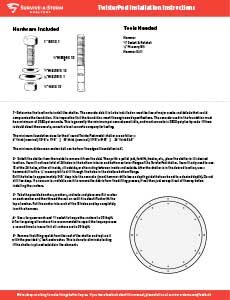
TwisterPod

twisterpod install instructions

TwisterPod Max

twisterpod install instructions

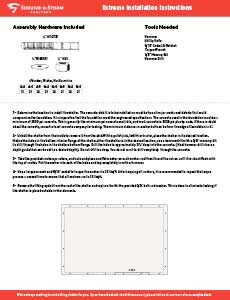
Extreme

extreme installation instructions

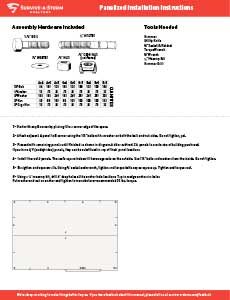
Panelized

panelized installation instructions

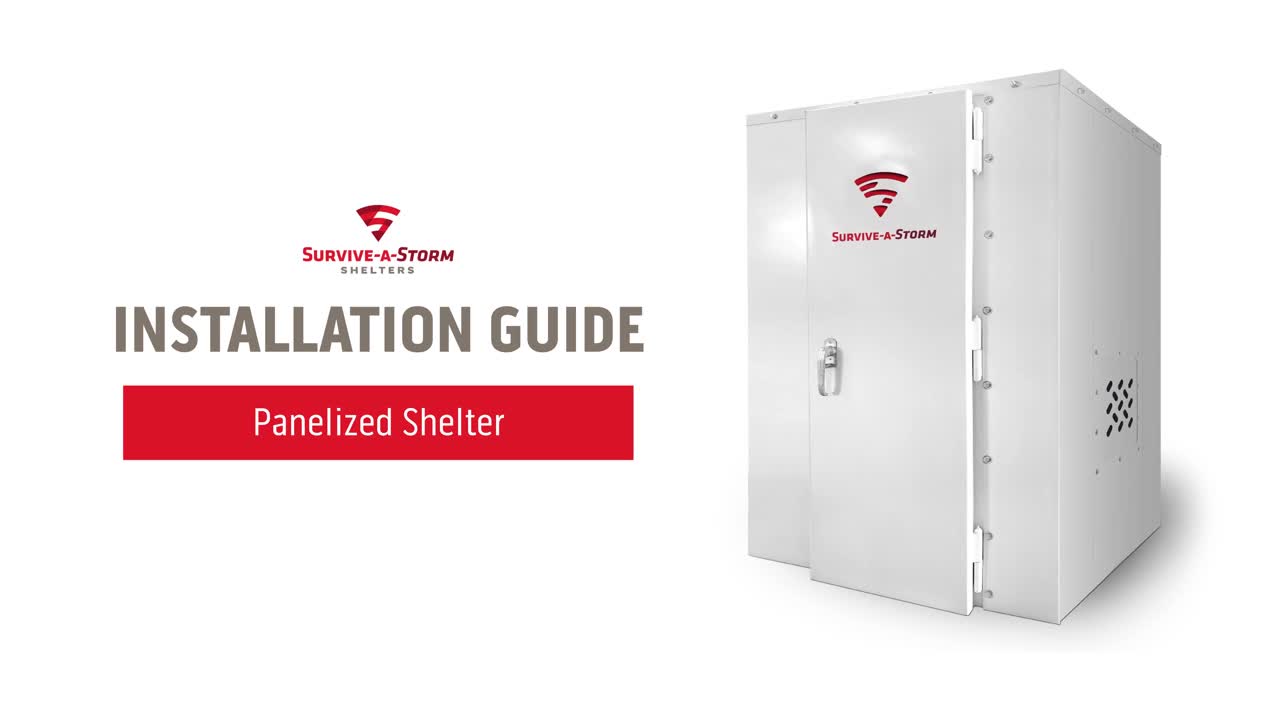
Installation Video

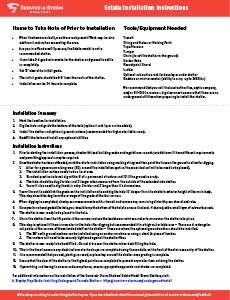
Estate

estate installation instructions

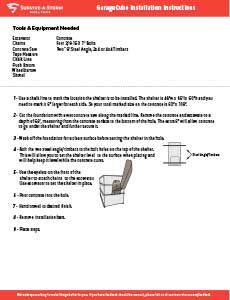
GarageCube

garage cube installation instructions

Installation Galleries

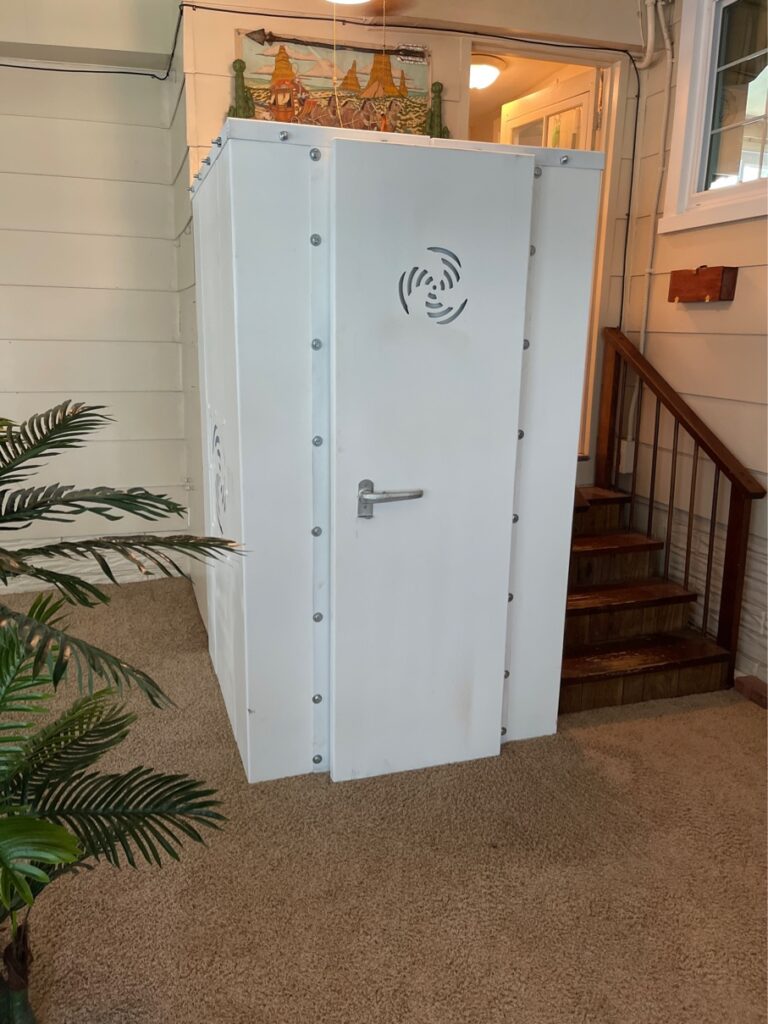
TwisterPod

314343485 5735044606563399 3505216055270020551 n

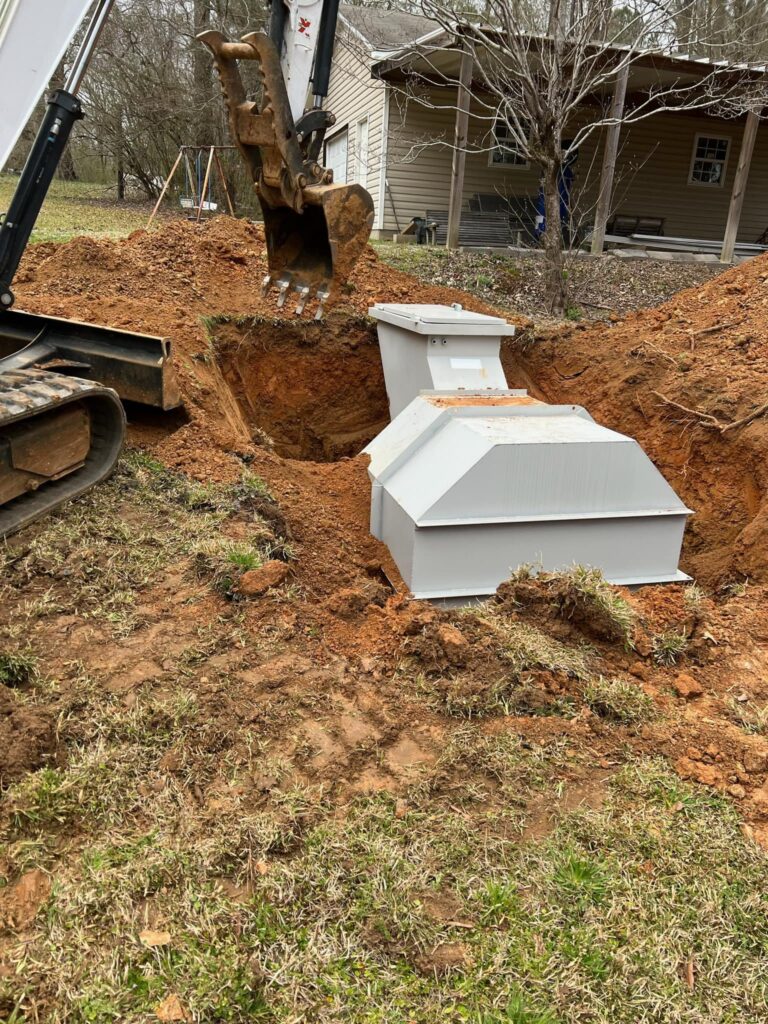
Extreme

315970980 5781380861929773 8097148659503007085 n

Panelized

357025679 643317254498999 716141550138787377 n

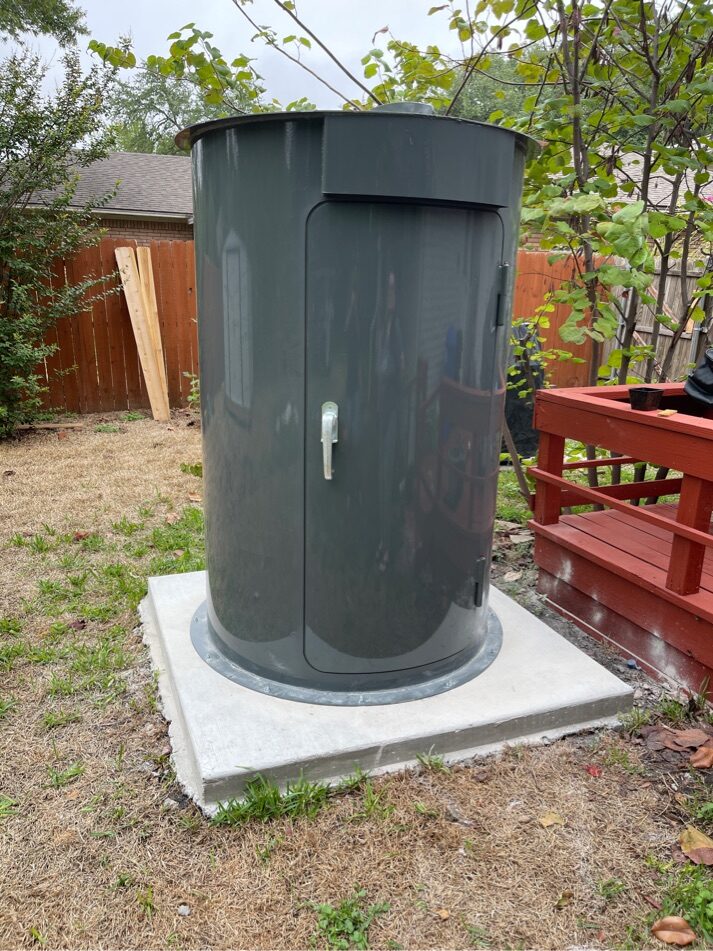
Estate

339851883 1013723449602269 658258562840219578 n

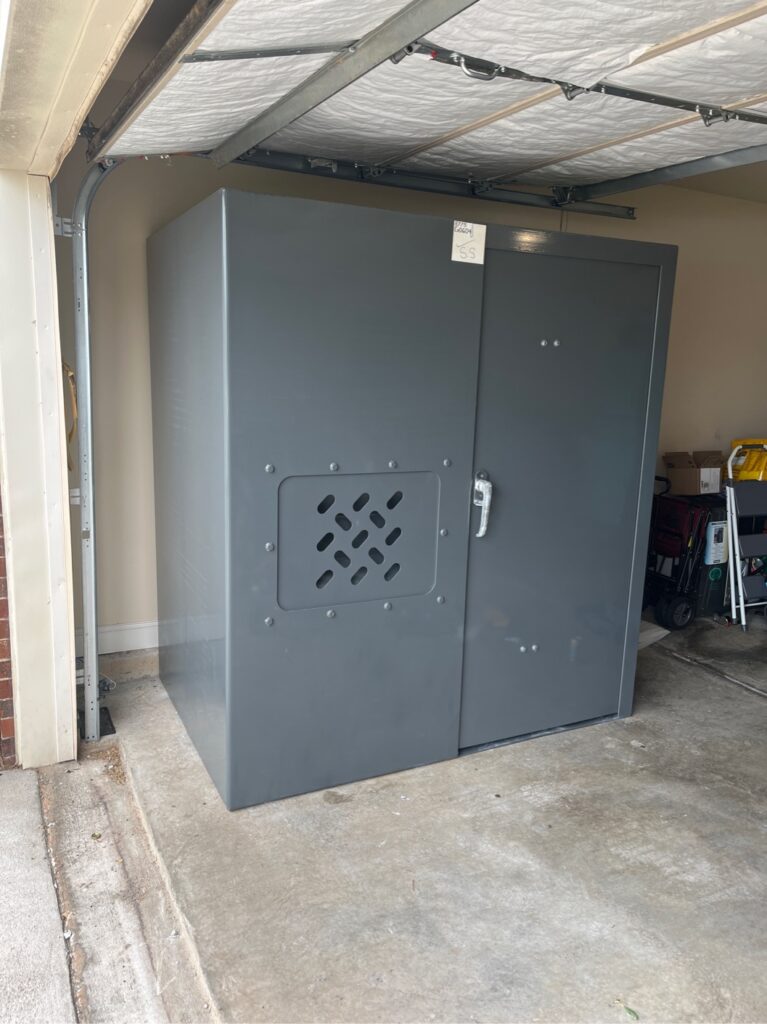
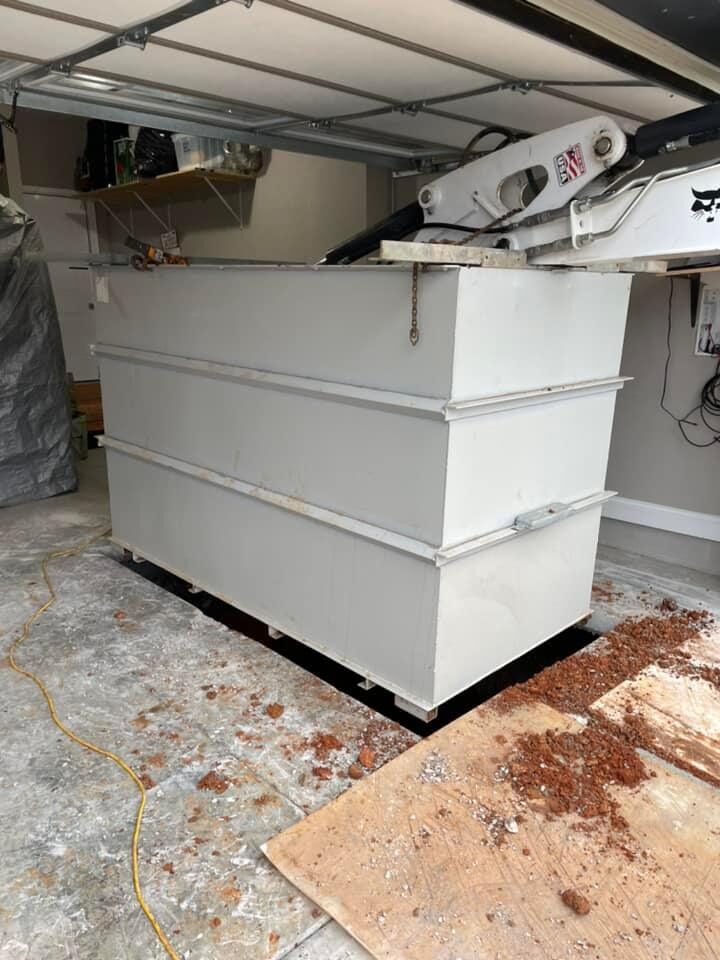
GarageCube

350070606 166152006197695 6822930566046322367 n

Knowledge Series Videos

Learn more about the TwisterPod

Learn more about the TwisterPod Max

Learn more about the 3x5 Extreme

Learn more about the 4x6 Extreme

Learn more about the 6x4 Extreme

Learn more about Community Shelters

Frequently Asked Questions

General
Construction
Installation
General

When is the best time to buy a storm shelter?

The best time to buy a tornado shelter is before tornado season strikes. The slow season for shelter manufacturers is September through February, which makes it the ideal time to buy a shelter. Waiting until the first tornado hits may be too late.

What happens if the house collapses on top of my storm shelter after a tornado?

Survive-A-Storm off our proprietary StormWarn Service with every shelter. If a tornado touches down in your area, we will attempt to be sure you are safe. If we are unable to contact you or your emergency contacts, we notify emergency crews and send them the exact GPS coordinates of your shelter so  provide assistance.

If I have a basement or interior bathroom why do I need a storm shelter?

Tornadoes can be strong enough to destroy houses, and tear up even the strongest floor framing. Flying debris can punch through wood beams in excess of eight inches thick. Survive-A-Storm residential storm shelters have been tested to withstand an EF5 tornado, and are manufactured to be in compliance with FEMA 320 standards.

Do I have to move my vehicle to get into my garage cube?

No, our shelters are installed 2′ from the edge of your garage leaving room to access the shelter.

Where can I see your storm shelters?

We have products in over 100 Home Depots throughout tornado alley and probably near you. You can search here to find your nearest location.

How many storm shelters have you manufactured?

This is a great question and one that should be asked before committing. We have produced thousands of shelters of all sizes. Our installs have ranged from $3500 jobs to projects that are several million dollars. When experience counts, you can count on us.

What if lightning strikes my unit?

Michael Faraday invented the “Faraday Cage” in 1836 to protect against electrocution. In fact, electrical lineman wear a Faraday Cage when working on high-voltage lines. All of our shelters are a Faraday Cage and the result is the electrical charge is eliminated from the interior, providing lightning protection from the shelter. 

Do you offer handicapped accessible tornado shelters?

Our Extreme model shelters all come with a 32″ door opening and are ADA accessible.

How does the tornado shelter door open if debris falls on it?

Some of our storm shelters are designed with an inswing door. The other tornado shelters we offer all have a provision to install an optional jack to pry the door open should debris block the entrance.

Will my cell phone work inside the tornado shelter?

Your cell phone will work inside our storm shelters, however in a tornado cell towers will most likely be destroyed.

Do you produce commercial storm shelters?

Our company is one of the largest manufacturers of commercial storm shelters (community safe rooms) and because we have earned the trust of many Global 500 companies, our customers know they can depend on us.

Where can I put a TwisterPod or Extreme safe room?

Most garages, carports, or patios can accept either model. For customers serviced from one of our more than 100 Home Depot locations, we can conduct a virtual site visit to confirm that your concrete will meet specifications.

Do you offer financing for your storm shelters?

Survive-A-Storm is one of the most recognized manufacturers of tornado shelters and we have partnered with several banks and credit unions to provide a solution for anyone. Additionally, we offer financing through all of the Home Depot programs. Because of our relationship, our banks will buy credit that other storm shelter companies may not be able to get approved. Give us a call and we will get you an answer within a few hours.

Do you offer financing for customers with poor credit?

Yes, we can provide credit for customers in most any case.

Where are your storm shelters made?

With great pride by skilled craftsmen in Thomasville, Georgia, USA. Additionally, we have factory outlet locations throughout tornado alley in Oklahoma, Texas, Arkansas, and Alabama. We keep tornado shelters in stock for immediate delivery and our storm shelters are available in over 100 Home Depot locations.

How do you determine the amount of people your storm shelter will fit?

FEMA 320 and ICC 500 require that each occupant have 3 square feet of space.

Can my above ground shelter be moved if I sell my home?

Yes, our factory installation team can re-install your safe room for a fee should you move.

Will a shelter add value to my home?

This question comes up a lot and the answer is two-fold. Yes, in most instances (assuming you are in an area that is prone to tornadoes) an appraiser will give additional credit for a shelter. The second answer is that in comparing two comparable homes, one with a shelter will generally sell quicker than one without, making your house more marketable.

Why is it important for a storm shelter company to be an NSSA member?

The NSSA (National Storm Shelter Association) is a member-directed organization comprised of the leading tornado shelter manufacturers. By being a member, you are held to highest Engineering and ethical standards and your shelters are placed under scrutiny through Engineer peer-reviews. There has never been a NSSA member’s shelter fail in the many EF5 tornadoes to which they have been subjected.

Which items should I keep inside my storm shelter?

It is important to keep emergency items in your storm shelter and for this reason, most of our tornado shelters come equipped with a bench that has a locking storage lid. We recommend that you keep a flashlight with extra batteries, NOAA weather radio, important insurance documents, backups of any photos/videos, MREs, water, first aid kit, horn and extra medicines.

How are your storm shelters vented?

FEMA 320 and ICC 500 require that tornado shelters provide four square inches of vent per occupant. All of our tornado shelters meet or exceed this.

Which is safer, a below ground or above ground tornado shelter?

This is one of the most common questions we get and they are both designed to be equally safe and both withstand an EF5 tornado. Most people have a preference and we provide tornado shelters for any application.
Construction

How is your GarageCube different from other garage models?

We have several reasons our garage cube is superior:

  1. It is encased in 5″ of concrete to mitigate against floating
  2. The oversized door provides a more aesthetic look than seeing patched concrete
  3. It comes standard with removable steel benches/steps, storage locker, and winch
  4. It contains a sacrificial anode to protect against galvanic corrosion
  5. It comes with the strongest lid in the industry
  6. The Geolocator service is included


Do your underground tornado shelters condensate?

Depending on the temperature and humidity, all underground shelters can condensate. Our shelters, however, have cross ventilation and arrive standard with a moisture remediation kit free of charge.

How do you treat the condensation in a below ground storm shelter?

Condensation is treated by moving air through the unit and/or by installing a dehumidifier or moisture remediation kit (included with purchase).

Are your units FEMA 320 and/or FEMA 361 compliant?

All of our residential storm shelters are FEMA 320 compliant and all of our commercial shelters are FEMA 361 compliant.

Are your units ICC500 compliant?

Yes, all of our storm shelters are ICC-500 compliant.

Have your units passed the Texas Tech wind research institute testing replicating an F5 storm?

Yes, all of our tornado shelters have undergone simulated tornado testing.

Will your shelters stand-up to an EF5 tornado?

Yes all of our storm shelters and safe rooms are designed to withstand the strongest tornadoes ever recorded on Earth. There has never been a NSSA members’ shelter fail in a tornado.

What is the warranty on your tornado shelters?

Our tornado shelters and safe rooms carry a limited lifetime warranty.

Download Warranty PDF

What is the advantage of steel tornado shelters over concrete tornado shelters?

As the saying goes, “there are two types of concrete–concrete that has cracked and concrete that is going to crack.” Concrete shelters hold moisture and leak and all of our steel storm shelters are designed with a proprietary leak test that eliminates the concerns for any leaking.

What is the advantage of steel tornado shelters over fiberglass?

Fiberglass shelters are only available in underground variations and not intended to resist the pressures of the Earth and will, in most cases, crack. Similarly, there is not a known approved above ground fiberglass shelter because is won’t withstand the debris of an EF5 tornado.

What keeps it from rusting?

All of our shelters are chemically treated and then our below ground shelters are caulked and then coated with 15 mils of coal tar epoxy. All joints are sealed and the unit is outcome is similar to being dipped in rubber. The interior our our below ground tornado shelters and all of our above ground safe rooms are powdercoated. Powdercoating provides a much more durable, longer-lasting finish than paint and our company is the only known storm shelter manufacturer to invest in this process.

How does the tornado shelter door open if debris falls on it?

Some of our storm shelters are designed with an inswing door. The other tornado shelters we offer all have a provision to install an optional jack to pry the door open should debris block the entrance.

Do you have electrical entrances in your storm shelters?

With the exception of our GarageCube (it is submerged into concrete in a garage bay), all of our tornado shelters have a 3/4″ conduit entrance for power, cable and/or phone.

What keeps the door on your tornado shelters from opening in a storm?

All of our tornado shelters have a three-point locking system to assure that if one lock is compromised, we have two backups to assure you safety.

Are your tornado shelter doors lockable from the outside?

Yes, our shelters can be locked from the outside so that valuables can be kept inside your shelter. It is, however, impossible to be locked inside our tornado shelters because the inside lever operates independently from the exterior lock.

How are your storm shelters vented?

FEMA 320 and ICC 500 require that tornado shelters provide four square inches of vent per occupant. All of our tornado shelters meet or exceed this.

What is the gauge of steel?

Our shelters are designed with steel thicknesses between 10 gauge, 3/16″ and 1/4″ depending on the shape of tornado shelter, location of steel and application. All of our shelters have been tested and Engineered to withstand an EF5 tornado.

Which is safer, a below ground or above ground tornado shelter?

This is one of the most common questions we get and they are both designed to be equally safe and both withstand an EF5 tornado. Most people have a preference and we provide tornado shelters for any application.
Installation

Will I need a building permit to install my tornado shelter?

Survive-A-Storm obtains thousands of permits a year. Give us a call, we can contact your local inspector and determine this. If you do need a permit, we can make the process painless.

Do you deliver your storm shelters?

Yes, we deliver to the lower 48 states with our own special equipment and keep storm shelters in stock for immediate pick-up in most of our five locations.

Do you install the tornado safe room, or do I have to install my safe room?

We have factory install teams that install our tornado shelters throughout tornado alley.

Do you pour the concrete for the safe room?

We do not pour concrete.

Where can I install a storm shelter?

Our storm shelters can be installed in almost any location. Depending on the model, they can be buried outside, installed in garages, or assembled in basements.

How long does it take to install a storm shelter?

In most cases, above ground safe rooms can be installed in four hours or less. Even our underground tornado shelters can be usually be installed within one day.

When you install a storm shelter is there a mess to clean up?

No, our factory professionals clean up and you only sign your acceptance when you are 100% satisfied with the work.

How deep do you bury your underground tornado shelters?

We bury our underground storm shelters 12″ below the surface.

Can I install a tornado shelter myself?

Depending on your knowledge of construction you could reference our online YouTube videos and install your shelter.

How do you secure safe rooms to floor?

It is a misnomer that “bigger is better” when referring to concrete anchors. Most all safe rooms are installed on an existing 4″ concrete foundation. If a company advertises an anchor that has an embedment length of great than 3″ then the installer will most likely drill through the foundation. This will expose the anchor to the soils below and void the warranty. We use 3/8″ x 3″ embedment ITW Redhead anchors every 12″ on our shelters. Each anchor has an ultimate tension (pullout) strength of 5,940 pounds. Our Extreme 6×4, for example, is anchored with 20 ITW bolts with a holding power of 118,800 PSI. Our smaller Twister Pod is anchored with 12 ITW bolts yielding a holding power of 71,280 PSI. With these anchors, our shelters are over-engineered for your safety and we are sure not to void the warranty or design of the anchors.
Home
The leading manufacturer and distributor of prefabricated steel above ground and below ground tornado shelters, and community safe rooms.
FacebookFacebook
YouTubeYouTube
LinkedInLinkedIn
InstagramInstagram
Privacy Policy |  Terms
Copyright ©2026. All rights reserved.
  • Resources
    • Learning Center
    • Blog
    • Installation
    • State Shelters
    • Financing
    • StormWarn
  • Company
    • About
    • Careers
  • Contact
    • 888-360-1492
    • Email
    • Feedback
    • Directions
    • Refunds and Returns
    • Registration
    • Warranty