

CATEGORIES:
Builder Spotlight: A Wichita Contractor Installs Tornado Shelters in Every New Home
March 8, 2026
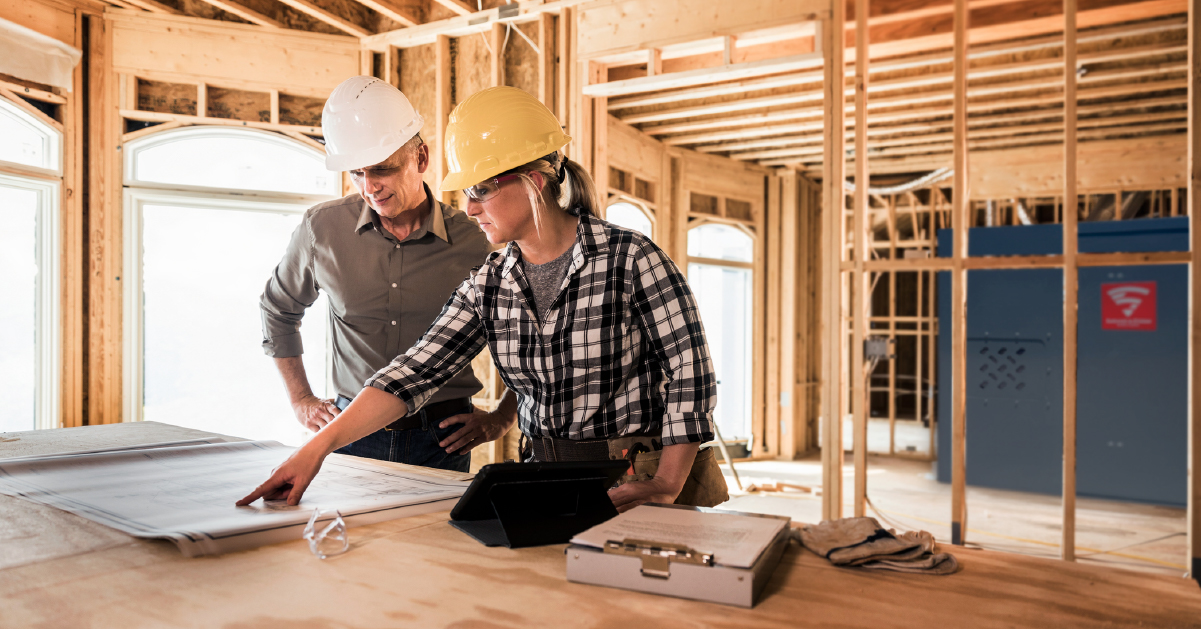
For Skylar Henson, owner of Latitude 37 Development in Wichita, Kansas, tornado shelters aren’t a luxury upgrade or an optional add-on. They’re a standard feature in every new home his company builds.
In a region where severe weather is part of life, Henson believes tornado shelters in new home construction are a must-have feature for both builders and buyers. His decision to include a storm shelter in every build is rooted in personal experience, practical construction advantages, and growing market demand.
A Personal Experience That Changed How He Builds
Henson’s commitment to residential storm shelters goes back to 1991, when he and his family lived through the devastating EF5 tornado that struck Andover, Kansas.
“We didn’t have that type of safety application in our residence. Seeing what type of value that would bring to my customers, I decided to make sure that installation was in every single build.”
That experience shaped his approach to homebuilding. Instead of treating tornado shelters as optional upgrades, he made them a core part of his standard home design. Today, every Latitude 37 home includes a FEMA-compliant tornado shelter as part of the base construction package.
Why Tornado Shelters Are Becoming Standard in New Construction
Across much of the Midwest and South, storm shelters in new homes are no longer seen as rare or premium features. Instead, buyers expect them for built-in safety and long-term peace of mind.
Henson has seen this shift firsthand. “I believe this is becoming a new trend, especially here in the Midwest, to have some type of safety feature,” says Henson.
He’s also noticed that homes with built-in tornado shelters often stand out in the market. According to Henson, “Homes that have storm shelters installed are seeing higher market prices just due to the demand for what that brings.”
For builders, this means a residential safe room isn’t just a safety feature, it’s also a value-added upgrade that can help differentiate new construction homes from existing properties on the market.
From Concrete Safe Rooms to Faster Steel Installations
Before switching to prefabricated steel shelters, Henson had experience building traditional concrete tornado safe rooms. While concrete shelters are effective, the construction process often created scheduling challenges.
“Concrete shelters were very time-consuming. It was a multi-stage process,” he said.
Traditional concrete safe rooms typically require:
- Additional forming and reinforcing
- Multiple concrete pours
- Extra curing time
- Coordination between several trades
These steps can slow down the overall home construction timeline. By contrast, Henson found that prefabricated steel tornado shelters dramatically simplified the process.
“With the Survive-A-Storm applications, installation time was a matter of hours, sometimes less than an hour and a half.”
This faster installation gives homebuilders several advantages:
- Keeps construction schedules on track
- Reduces coordination between trades
- Minimizes delays from weather or curing time
- Allows shelter installation late in the build process
For production builders and custom home contractors alike, these efficiencies can make storm shelters in new construction far easier to implement.
Flexible Designs That Fit Modern Floor Plans
Another major benefit Henson points to is how easily the shelters integrate into the home’s layout. Unlike large concrete safe rooms that must be planned early and built into the structure, prefabricated steel shelters can often be installed in tighter spaces without sacrificing usable square footage.
 “We’re really able to push these right up against a corner in a closet, a laundry room, or an area off the living room. We’re not taking up extra space, we’re giving that back as usable living space.”
This flexibility allows builders to:
- Install shelters in closets or utility rooms
- Preserve open floor plans
- Avoid major structural changes
- Maintain the home’s overall design aesthetic
For modern buyers, a tornado shelter built into the home is most appealing when it doesn’t disrupt the layout or reduce living space.
Builder-Friendly Engineering and Support
Another reason that Henson standardized storm shelters in his builds is the level of support available throughout the process.
“It’s been a really great experience talking to customer service reps, design engineers, and structural engineers all the way down to the delivery of the components.”
For builders, this kind of support is critical. Each project may have unique:
- Floor plan constraints
- Foundation conditions
- Occupancy requirements
- Local code considerations
Working with a manufacturer that provides engineering guidance and FEMA-compliant designs helps streamline approvals and installation.
Faster Ingress and Real-World Safety Benefits
One of the biggest advantages of in-home tornado shelters is accessibility during severe weather.
“The value that Survive-A-Storm brings to the residential applications goes back to ingress time—how fast occupants can get inside the shelter when weather hits.”
Unlike outdoor or underground shelters, in-home units allow families to reach safety within seconds, even during nighttime storms or heavy rain. This convenience is especially important for:
- Families with young children
- Elderly homeowners
- Individuals with mobility challenges
A Growing Opportunity for Builders Nationwide
While tornado shelters have long been associated with the Midwest, Henson believes demand is expanding well beyond the traditional “Tornado Alley.”
“Once other builders and homeowners understand the cost-effective price points, we’re really going to start seeing a spike—not just here in the Midwest, but nationwide.”
As severe weather patterns shift and buyers place more emphasis on safety, residential storm shelters in new homes are becoming a compelling differentiator in many markets.
For builders, this presents a clear opportunity:
- Increase home value
- Differentiate listings
- Appeal to safety-conscious buyers
- Future-proof new construction homes
Building Safer Homes From the Start
For Henson, including a tornado shelter in every new home is a responsibility, not an optional add-on. With fast installation, flexible placement, and FEMA-compliant protection, Survive-A-Storm Shelters makes it practical for builders to incorporate safety into every project without slowing down construction.
As more homebuyers look for built-in protection, builders who include tornado shelters in new construction are positioning their homes, and their businesses, for long-term success.
If you're planning new construction homes, let’s discuss how tornado shelters can fit your floor plans and build schedule. Contact us today!


Author