


CATEGORIES:
5 Early Warning Signs That Your Home Isn’t Storm-Ready
January 26, 2026
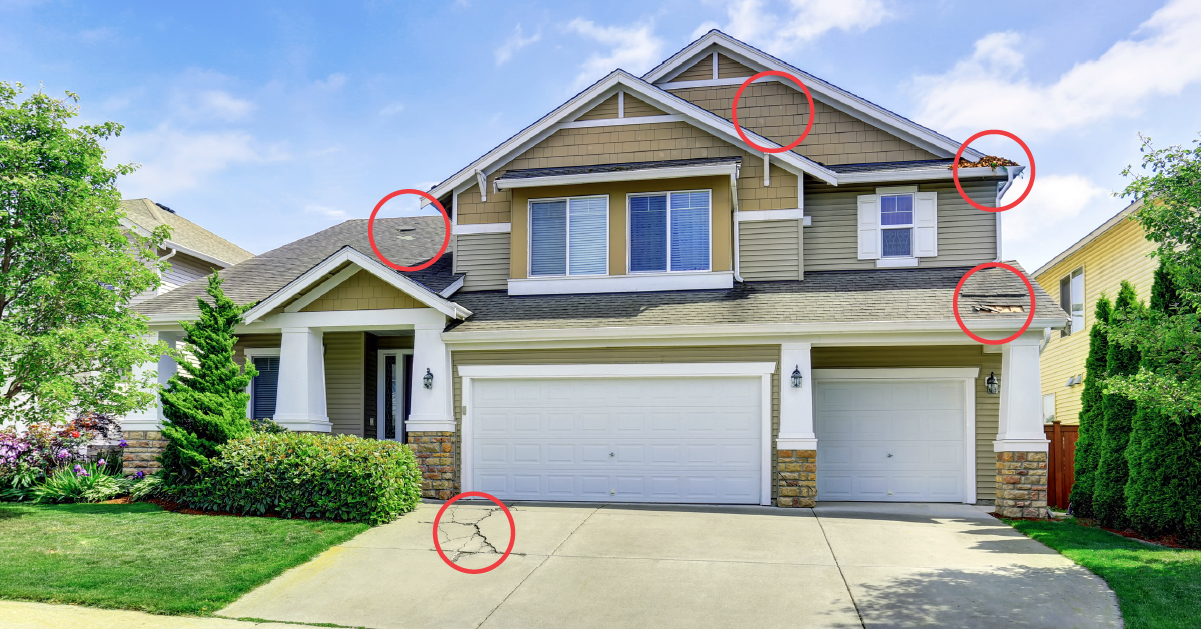
What Makes A Home Storm-Ready?
A storm-ready home resists wind uplift at the roof, keeps cladding and soffits tight, moves water off the walls and away from the foundation, manages moisture in the lowest level, and aligns with known flood risk from FEMA or local maps. If any one of those pieces looks weak, the whole system gets stressed during severe weather. Why this matters is not abstract. One inch of water in a home can cause $25,000 or more in water damage, and a few missing roof shingles can snowball into soaked drywall, blown-in insulation like wet cotton candy, and a $12,000–$25,000 repair ticket. The fix costs less when you catch problems early with maintenance: a tube of roof sealant around a loose vent boot, a handful of new gutter hangers, a $20 downspout extension that shoots water past the landscaping bed. Small actions now save real money. Before we dive in, a quick map of the house areas that fail first will help you scan fast and prioritize.The Five Areas That Fail First
The roof is the top layer that the wind tries to peel back. Asphalt shingles lift, crease, or go missing, and thin metal “flashing” around chimneys, skylights, and vents can bend or detach. When those edges open up, wind-driven rain follows. You’ll often spot a ripple on a warm afternoon when shingles look like curled fingernails along the edges or at the ridge. Siding and soffits are next. Loose vinyl panels rattle in a breeze like playing cards on a bicycle spoke, and cracked soffit vents act like a wind scoop, drawing air into the attic. That incoming pressure increases uplift on shingles. Fascia, the horizontal board behind the gutters, rots when gutters leak, and then gutters sag and pull away, which compounds the water problem. Gutters and downspouts carry thousands of gallons of water off the roof during a storm. Clogs turn them into waterfalls that streak dirt down the siding and pool water at the foundation. Downspouts that stop at the base of the wall dump that water exactly where you do not want it, raising pressure against the basement walls. Basements and crawlspaces reveal early warning signs of a future flood. Musty smells, a thin white crust on the wall known as efflorescence, rusty bottom edges on appliances, or swollen baseboards tell you moisture is already moving through the concrete. A sump pump that cycles frequently on dry days is a siren for rising groundwater. Location risk anchors your plan. If FEMA’s Flood Map Service Center shows your address inside or near a Special Flood Hazard Area, water management moves from optional to urgent. Even outside high-risk zones, more than one in five claims from the National Flood Insurance Program (NFIP) come from “low- to moderate-risk” areas. Translation: not being in a mapped floodplain does not mean no risk!
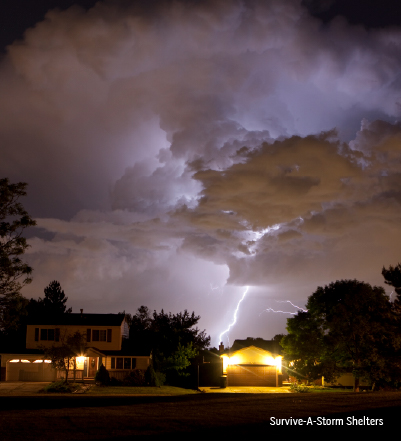
When A Roof Shows Wind Damage Or Missing Materials
Warning signs of roof damage include lifted or creased shingles, missing tabs, exposed nail heads, loose ridge caps, bent or detached flashing, sagging drip edge, and granule piles in gutters, all of which indicate aging shingles. You can spot most of this from the ground with a slow, careful look. Wait for midday light, then look for shadows that help the edges stand out. Binoculars make this easier, and a phone zoom works in a pinch.What You Can See From The Ground
Lifted or curled shingles look like edges that no longer lie flat. On a breezy day, you might even see a corner flicker. Creased shingles show a faint horizontal line across the middle of the tab like a bent playing card; that crease means the adhesive bond broke during a prior wind event, and water can travel under the shingle in the next storm. Granule piles in gutters or on the driveway indicate the shingles have shed their protective coating. You might notice a dark asphalt surface peeking through on south-facing slopes where the sun beats hardest. That surface weathers faster and loses wind resistance. Manufacturer wind ratings (ASTM D7158 Classes D, G, H) correspond to design speeds; older or brittle shingles rarely meet their original rating once granules wear. Flashing, the thin metal that wraps edges and penetrations, bends and pulls loose over time. Focus on making sure that flashing around chimneys, sidewall steps, skylight perimeters, and pipe boots is secure. A crooked line at the step flashing, a lifted corner on a chimney counterflashing, or a cracked rubber boot around a vent is a leak path. At the drip edge along the eaves, look for sagging or gaps where wind can get under the starter course. Exposed nail heads on ridge caps or along hips will glint in the sun. Those nails should be covered; if you can see the metal, water can find it too. And if the ridge cap looks like the spine of a book with pages peeling, the wind will try to grab it during the next storm. Pro Tip: Photograph the roof from all four sides, then zoom in on a larger screen. Creases and nail heads that looked “maybe” on the lawn pop clearly on a monitor, and the photos become documentation if you contact a roofer or your insurer.When To Call A Roofer After Storm Damage
Call a licensed roofer when you see active leaks, dark spots or sagging in the roof deck, widespread creasing across a slope, multiple missing tabs, or loose flashing at a chimney or skylight. Those conditions can turn a windy night into a wet ceiling quickly. A roofer can reseal the flashing, replace damaged shingles, and confirm whether the underlayment and deck remain sound. If the roof is at the end of its life cycle, ask about shingles with a higher wind rating and about edge upgrades recommended by the roof guidelines in IBHS’s FORTIFIED standards, like enhanced nailing patterns and sealed roof decks. Important: Skip roof climbing unless you have proper fall protection and ladder safety training. A slick shingle or surprise gust can put you on the driveway in a second. Ground checks and a professional inspection beat a risky DIY climb every time. Q: How do I tell hail damage from normal wear on shingles? A: Hail bruises feel soft under light finger pressure and leave dark spots where granules are crushed into the asphalt. Normal wear looks like even granule loss and smooth edges. After a storm, if you see a lot of bruises in a tight area or sediment full of granules in a downspout, have a roofer document them.The Siding, Soffits, Or Fascia Are Loose Or Cracked
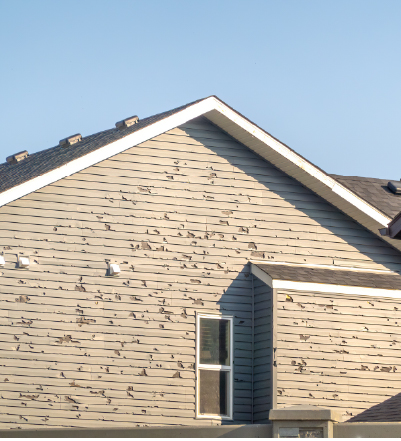
Loose or cracked siding, soffits, and fascia create entry points for wind and water that can pressurize the attic, tear off cladding, and soak the wall sheathing behind exterior finishes. Start with the noisy clues. On windy days, a rattling vinyl panel means the nail hem or locking edge slipped. You might see daylight through a lap joint at a corner, or a bowed board that springs back when you press it. Those gaps let wind-driven rain ride behind the siding, where it can stain sheathing, wet insulation, and cause that sour-paper smell in wall cavities.Quick Checks For Siding
Walk the walls and press gently. Panels should not slide more than a fraction of an inch. If a panel shifts freely or you can lift the bottom edge with two fingers, the lock failed. Look for nail heads at the center of vinyl panels; fasteners should sit in the slots, not through the face. On fiber-cement, scan for hairline cracks at the ends and chipped edges where water can wick in. Daylight at vertical seams or buckled horizontal lines suggests poor fastening or heat expansion issues. Sealant around windows and doors deserves a close look. Old caulk shrinks, splits, and pulls away from brickmold or siding. If you see a dark line that swallows the point of a utility knife, that joint failed. Wind-driven rain will aim for that opening first.Common Soffit And Fascia Failures
When soffit vent panels crack or go missing, you will hear them before you see them. The edges flap in gusts and knock against the channel. A missing soffit panel near a corner acts like a funnel, forcing air into the attic. That pressure increases lift on shingles and sends dust swirling across your insulation. Look at the fascia boards behind the gutters, too. Dark streaks, peeling paint, and soft spots you can dent with a screwdriver indicate rot. Rot weakens gutter fasteners, then gutters sag, leak, and dump water down the siding. Fixes range from easy to “call a pro.” Re-locking a loose vinyl panel or replacing a cracked soffit vent is a quick DIY. Rebuilding rotten fascia and rehanging a long gutter run requires staging and carpentry. If you see long sections out of alignment or water stains at multiple window heads after storms, bring in a siding contractor to open up a small area and check the sheathing behind the cladding. Q: Will loose soffits really make roof damage worse in high winds? A: Yes. Open soffits let wind rush into the attic, raising internal pressure and increasing uplift forces on shingles and roof decking. Tight soffits keep that pressure down and reduce the chance of shingle loss during storms.The Gutters And Downspouts Are Blocked Or Leaking
Clogged, leaking, or short gutters and downspouts cause overflows that soak fascia boards, streak siding, and pool water at the foundation, which drives seepage into basements and crawlspaces during heavy rain. Watch gutters during a regular rain. If you see water sheet over the front lip like a waterfall, the gutter is either clogged at the outlet or sloped incorrectly. Look for seams that drip at the joints, especially where downspouts connect. A quick ladder peek (if safe) or a hose test on a calm afternoon makes problems obvious: water backs up near the high end, then gushes over in one spot. Slope matters. A standard target is roughly a quarter-inch drop over ten feet, so water flows to the outlet. Sagging sections hold water and debris, which accelerates leaks and invites mosquitoes. Downspouts that end right at the foundation splash muddy water against the wall and erode mulch until it becomes a moat. Extensions that carry discharge four to six feet away change everything by lowering the amount of water pressing against the basement walls. Gutter guards help with leaves, but do not eliminate cleaning. Pine needles, seed pods, and shingle grit still sneak through. A quick visual tells the story: if you find spring seed “helicopters” plastered across the guard like a wet blanket or a bird’s nest at a corner, the system will overflow in a cloudburst.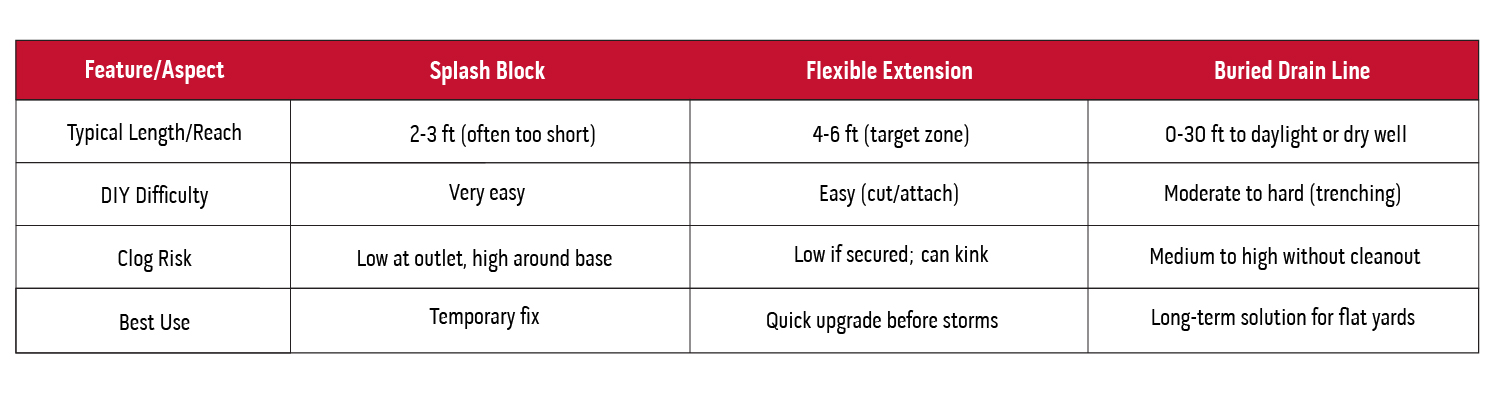 Here’s the money math. A $20 extension and a handful of screws sent water past a garden bed at one ranch house and cut basement seepage to zero. Without it, the owners would have spent $5,000–$12,000 for interior drain tile and a sump pit someday. Cheap parts, high return.
Q: How often should gutters be cleaned for storm season prep?
A: Clean gutters at least twice a year (spring and fall) and always after major wind events. If you have heavy tree cover, quick checks every four to six weeks during leaf and seed drop keep overflow at bay.
Here’s the money math. A $20 extension and a handful of screws sent water past a garden bed at one ranch house and cut basement seepage to zero. Without it, the owners would have spent $5,000–$12,000 for interior drain tile and a sump pit someday. Cheap parts, high return.
Q: How often should gutters be cleaned for storm season prep?
A: Clean gutters at least twice a year (spring and fall) and always after major wind events. If you have heavy tree cover, quick checks every four to six weeks during leaf and seed drop keep overflow at bay.
A Basement Or Crawlspace Shows Moisture Before It Floods
Basement and crawlspace moisture warning signs include musty odors, white chalky residue on walls (efflorescence), damp bands or peeling paint lines, rust at the bottoms of metal items, warped baseboards, swollen doors, and sump pumps that run often or fail to shut off. Trust your nose and your eyes. The smell that hits when you open the basement door after a humid day signals mold activity and hidden water movement. Efflorescence looks like chalk rubbed onto the wall in thin, feathered streaks; that residue forms when water travels through concrete, evaporates, and leaves mineral salts behind. Dark horizontal bands around the lower third of a wall resemble a tide line, exactly what they are after repeated storms.Early Moisture Cues To Trust
Scan for spalling spots where the concrete surface flakes, and check for rust halos at the base of shelving, furnace legs, and water heaters. Cardboard boxes that sag along the bottom edges or stick to the floor tell you moisture lingers after rain. Doors that rub at the top corner or baseboards that wave and pull at the caulk line usually indicate wood that has swelled from repeated wetting. Peek at floor drains. A clogged basement floor drain with a dry trap can let sewer gas in and fail to relieve water during a backup. A simple cup of water into the trap restores the water seal, and a quick cleanout prevents slow backing under heavy rain. Backflow preventers on floor drains and main lines can stop storm-driven sewer surges from entering, which is a messy, expensive problem.Fast Storm Mitigations
Test the sump pump before a storm. Lift the float or pour water into the pit until the pump clicks on. Watch the discharge line outside to confirm flow. If the pump hums without moving water, the impeller might be jammed, or the check valve might be stuck. A battery backup keeps pumping during outages; a $300–$800 sump system can save $8,000–$30,000 in flood cleanup when the power cuts out mid-storm. Move valuables, electronics, and soft goods off the floor onto shelves. Clear a path to the floor drains. Extend your downspouts today and regrade the soil later if you need more slope away from the house. Crawlspaces telegraph moisture too. A missing or torn vapor barrier leaves damp earth exposed, and that moisture wicks up into joists. You’ll see white fuzz on wood, rusted fasteners, and insulation batts hanging like soggy blankets. A simple 6-mil polyethylene ground cover sealed at seams and a dehumidifier tuned to 50–60% relative humidity stabilize the space. Use a hygrometer to confirm the zone stays in range. Q: Do dehumidifiers actually help prevent basement flooding? A: A dehumidifier does not stop water entry, but it cuts the humidity that fuels mold and reduces condensation on cool surfaces. Pair a dehumidifier with exterior drainage fixes, long downspouts, and a working sump pump for a complete defense.Your Address Appears In A Flood Zone On FEMA Maps
Being in or near a FEMA-mapped flood zone means a higher chance of flooding, possible lender requirements for flood insurance, and a strong case for early mitigation and documentation, even if the home has not flooded before. Start with FEMA’s Flood Map Service Center at msc.fema.gov. Type your full address, load the map panel, and zoom until you can see parcel boundaries. Note the flood zone label, AE, VE, A, or X are common, and check the map revision date in the legend. If the property touches shaded areas, it is in the Special Flood Hazard Area. If you sit just outside the shaded line, you might still see water under the right conditions. Heavy local rain, clogged storm inlets, and upstream development will change flow patterns.How To Check FEMA Flood Map
Open the map, enter the address, then jot down the FIRM panel number, the zone code, and any Base Flood Elevation (BFE) listed. The BFE marks the water surface height during a 1%-annual-chance event (the “100-year flood”). Compare that elevation to your lowest floor. Your local building department or a surveyor can help if you do not have an elevation certificate.What The Zone Means For You
Zone AE means high-risk inland flooding; Zone VE is coastal with wave action; Zone A is high risk without detailed elevations; Zone X typically means moderate to minimal risk. Lenders require NFIP flood insurance for mortgages on structures in the Special Flood Hazard Area. Premiums vary by elevation relative to BFE and the home’s characteristics. Even outside high-risk zones, many homeowners buy low-cost policies because, nationwide, over 20% of NFIP claims come from areas labeled low to moderate risk. If you sit in or near the floodplain, consider freeboard—raising critical utilities or finishing materials above BFE by a foot or more—during any renovation. Insurance aside, mitigation choices change quickly with risk. Yard grading and swales that steer water away, stand-by flood barriers for doorways, and dedicated sump discharge lines that daylight far from the foundation reduce exposure. Document your property's condition with photos before storms; clear “before” photos speed claims and contractor estimates if water rises. Q: I’m just outside the floodplain line on the map. Should I still get flood insurance? A: If water historically reaches your street or the yard holds water during heavy rain, a low-cost NFIP policy can be a smart hedge. The premium is lower outside high-risk zones, and the first inch of water inside a house often causes $25,000+ in damage.How To Do A Quick Home Scan For Early Storm Risks
A ten-minute home storm scan covers the roofline, walls and soffits, gutters and drainage paths, the lowest level for moisture cues, and the property’s mapped flood risk so you can act before the next storm window closes.Ten-Minute Walkthrough for Storm Risk
Here’s a fast, single pass that spots most problems before wind and rain turn them into damage.- Stand at the curb and scan the roof slopes, ridge, and edges. Look for lifted shingle corners, creases, missing tabs, and crooked or gapped flashing around chimneys and vents. Note any granule piles at downspout outlets.
- Walk the perimeter, keeping eyes on siding laps, corner trims, and window and door caulk lines. Touch a few panels—if a vinyl course shifts easily or you can lift a bottom edge, mark it to re-lock.
- Check soffits and fascia under the eaves. Watch for cracked or missing vent panels and soft, discolored fascia behind gutters. If you hear rattling on breezy days, plan a re-secure.
- Run water through a hose into a downspout or wait for a shower and watch the gutters operate. If water overflows, plan a cleanout and add a 4–6 ft extension. Confirm the slope by watching water chase the outlet instead of pooling mid-run.
- Head to the lowest level. Smell first; mustiness means action. Scan for efflorescence lines, damp bands, rust at the base of appliances, and warped trim. Lift your sump float to confirm pump operation and verify water discharges outdoors, far from the foundation.
A Roof That Shows Wind Damage Or Missing Materials - A Story From The Field
Let’s layer in a quick, real-world scenario to show how minor problems can snowball. A two-story colonial lost four ridge-cap shingles during a spring gale. From the yard, it looked minor—two shiny nails and a bit of frayed edge. Two storms later, wind-driven rain traced under the raised cap and dripped along the ridge board. By the time ceiling stains telegraphed the leak, the insulation under the ridge was soaked and matted. The repair ballooned to include new ridge-cap shingles across 40 feet, partial drywall replacement, paint, and a top-off of attic insulation. Final invoice: $6,400. If the owners had called a roofer right after seeing the lifted cap, a $350–$600 minor repair would have closed the gap before the next storm. The takeaway is simple: edges matter. When you see anything at the ridge, eaves, or around penetrations that looks off, treat it as urgent. A ten-minute early fix can prevent weeks of drip-bucket living.Cost And Priority: What To Tackle Now Versus Later
People ask for a simple budget map, so here is a practical way to prioritize without guesswork. Fast, low-cost tasks that lower flood risk come first: gutter cleanout ($0–$250 DIY or $125–$300 pro), downspout extensions ($12–$40 each), re-locking a loose soffit panel ($8–$25 panel), and resealing a small flashing gap ($8–$20 tube of sealant). Those four line items can prevent a $5,000–$15,000 interior drain tile project or a $10,000 drywall and flooring restoration after a ceiling leak. Next up: critical systems that fail at the worst time. A sump pump battery backup ($300–$800) and a high-level alarm ($50–$120) keep water moving during outages. If yoƒu see frequent cycling or hear grinding, replace the pump before storm season ($150–$450 for a quality unit). A quick generator with a safe transfer switch keeps the pump, fridge, and a few lights going; talk to a licensed electrician about sizing and safe hookup. Big-ticket items require planning but pay off: a complete roof replacement with shingles for higher winds and sealed roof deck edges; impact-rated windows and doors in hurricane regions; beefed-up garage doors with proper bracing; and improved grading that moves surface water to the street. Homes built or retrofitted to IBHS FORTIFIED standards have shown notably lower storm losses in field studies, which is why some insurers offer premium discounts in participating states. If you are replacing a roof anyway, ask contractors about FORTIFIED roof details like ring-shank nails, enhanced nailing patterns, sealed deck tape, and stronger edge metal. Q: Do gutter guards mean I never have to clean the gutters again? A: No. Guards reduce leaves and large debris, but you still get shingle grit, seed pods, and pine needles. Plan quick inspections and light cleanouts a few times a year. If you see waterfalls during rain with guards installed, the outlets or the guard surface need attention.Plain-Language Definitions You Actually Need
Keep a few quick translations in your back pocket so instructions make sense. Flashing is thin metal that seals roof transitions and penetrations, like chimneys and vent pipes; it prevents water from sneaking under shingles where surfaces change direction. Efflorescence, as mentioned, is a powdery white residue on masonry left behind after water moves through concrete and evaporates; those ghost lines become a “flood memory” around the room. Drip edge is the L-shaped metal at the roof’s edge that kicks water into the gutter and blocks wind from getting under the shingles at the eave. Downspout extensions do precisely what the name suggests: they extend the discharge water away from the foundation by 4 to 6 feet, keeping the ground next to the wall as dry as possible during a storm. A sump pump float is the part you lift to trigger the pump test; when water rises in the pit, the float lifts and the pump turns on automatically. A backflow preventer acts like a one-way door in a drain line, so storm surge from the street cannot push sewage and stormwater back into the basement through floor drains. Q: What roof wind rating should I ask about when replacing shingles? A: Ask contractors about ASTM D7158 wind ratings (Class D, G, H) relative to local design wind speeds. In higher-wind areas, look for Class H shingles, stronger edge details, and enhanced nailing patterns. Manufacturer tech sheets list ratings clearly—bring them into the conversation. One story illustrates the point. A ranch house with a gentle slope roof looked fine from the street. Inside the attic, light leaked through a dozen nail holes where old shingle tabs tore away in previous gusts. Each hole is a straw for water in sideways rain. The owners spent $180 on roof sealant, $45 on new cap nails, and an afternoon with a roofer to seal and swap a handful of shingles. The next storm delivered 3 inches of rain with 40 mph gusts. The attic stayed dry. That is the kind of tidy win you want before the forecast turns. Key Insight: If the fix adds 4–6 feet of distance from water, seals an edge that wind can lift, or gives you backup power for pumping, it likely belongs at the top of your list. Here are a few quick notes about community-scale steps that help your home too. Clearing leaves from street inlets before a storm keeps water from backing up into yards and driveways. Trimming branches that hang over the roof reduces projectiles and shingle scuffs. Signing up for NOAA and local weather alerts gives you a 24–48 hour head start to move cars, set barriers, and check the sump pump. These small habits can lead to significant outcomes. Q: How do I document my home so insurance claims go smoother after a storm? A: Walk each room and the exterior with your phone camera, narrate the date and any existing wear, and store the video in the cloud. Add a folder with photos of serial numbers for major appliances and systems. After a storm, take “after” pictures from the same spots for clear comparisons. One last cost reality check. Spending $400–$900 across gutter work, downspout extensions, caulk and flashing patches, and a sump battery backup is much less exciting than a shiny new tool. Yet, those dollars protect drywall, flooring, furniture, and your sanity. Not needing to mop due to a 2 a.m. flood is priceless. That trade is worth it every time. Ready to move? Start with the quick scan. Fix the edges and the water paths. Then, if FEMA puts your dot near a flood zone, add insurance quotes to your to-do list and budget for grading or longer drain lines this season. You will sleep better when the radar turns yellow and red.The Final Step in Storm Safety: Talk To Us About Shelter Options
You've cleared the gutters, extended the downspouts, sealed the flashing, and tested the sump pump, all the moves that keep water out and edges tight. You might realize now that storm safety goes way beyond your property. You need something significant before the next big storm. Storm shelters add a layer of protection that money can't buy after the winds pick up. It might be a home safe room that meets FEMA 320 standards, or a community shelter that meets FEMA 361 guidelines, a reinforced garage space, or a below-grade garage shelter designed for your specific flood and wind risk. In any case, there are storm shelter options that give your family a place to ride out severe weather with confidence. Storm-ready isn't just about what you fix; it's also about where you go when the forecast turns serious. Reach out today so we can walk your property and help you choose a shelter solution that fits your home, your budget, and your peace of mind.Author


The leading manufacturer and distributor of prefabricated steel above ground and below ground tornado shelters, and community safe rooms.


Privacy Policy | Terms Copyright ©2026 Survive-A-Storm. All rights reserved.