
CATEGORIES:
Funding Options For Community Tornado Shelters: Grants, Loans, And Local Sources
December 23, 2025
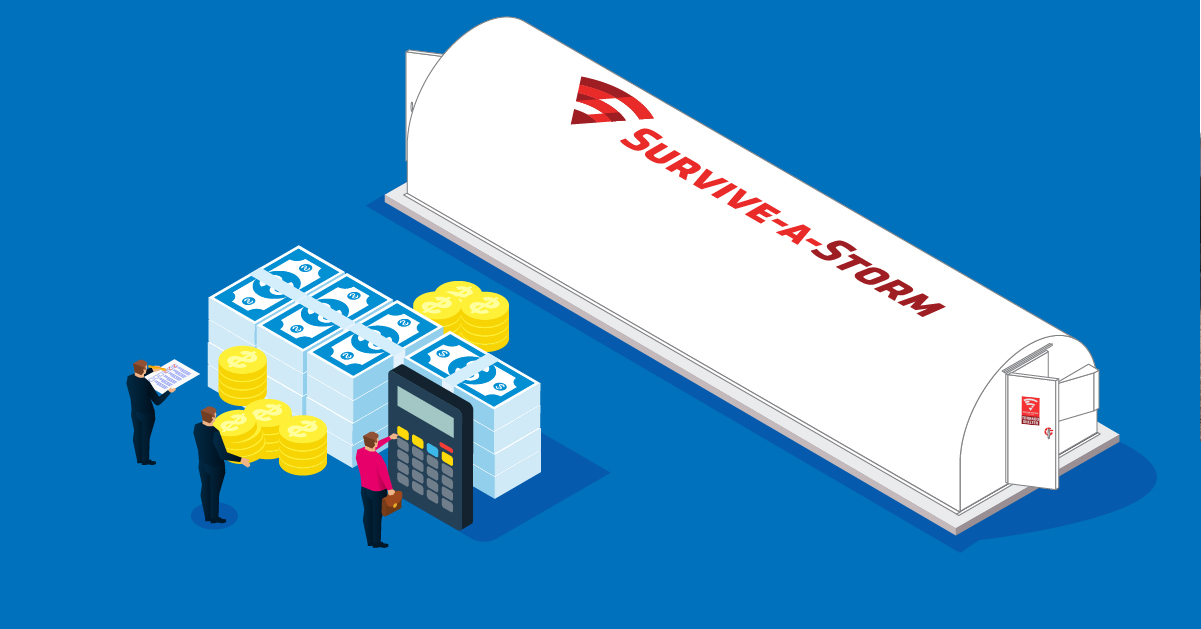
Most successful community shelter projects integrate three streams—grants, financing, and local contributions—into a single budget. The reason? Federal mitigation grants rarely cover 100 percent. Loans and bonds cover gaps and timing. Local dollars can unlock the grant match and keep the project moving, so you aren’t waiting through another storm season while paperwork sits on a desk.
A Simple Map Of Community Tornado Shelter Funding Options
A simple map of community tornado shelter funding options starts with three buckets: grants to reduce total cost, financing (loans and bonds) to get cash in time, and local sources to meet the non-federal match and long-term needs. Everything you’ll need to consider for your community tornado shelter project fits into one or more of those buckets. That clarity keeps you out of rabbit holes and makes the next steps obvious.
 Grants include federal mitigation programs administered by the Federal Emergency Management Agency (FEMA), primarily the Building Resilient Infrastructure and Communities (BRIC) program and the Hazard Mitigation Grant Program (HMGP). In certain situations, additional grant funding may come from the U.S. Department of Housing and Urban Development (HUD), the U.S. Department of Agriculture (USDA), or the Economic Development Administration (EDA), when a community tornado shelter aligns with their public safety, recovery, or rural development missions.
Financing options include municipal bonds, USDA Community Facilities loans, state revolving resilience funds, and mission-driven lenders that work with nonprofits. Local sources include sales tax measures, special levies, philanthropic gifts, foundation grants, corporate sponsorships, and in-kind contributions like donated land or professional services. Each has rules on eligibility, timelines, and whether it qualifies as a non-federal match for a FEMA grant.
The trick, and it really is a trick worth mastering, is stacking them. For example, a city pairs a 75% FEMA grant with a 25% match from a bond, then adds a corporate gift to upgrade doors and install a generator. Or a rural nonprofit finances first with a USDA loan, then applies for BRIC the next year to reimburse part of the costs and lower debt service. Same shelter. Smarter math.
Key Insight: Treat the grant like a discount, not the entire budget. Plan financing and local match up front so you can say “yes” to a construction schedule, not “maybe after the next award cycle.”
How Federal Mitigation Grants Fund Tornado Safe Rooms
In the U.S., federal mitigation grants fund community tornado safe rooms by paying a significant share of eligible costs, usually 75%, when the project meets risk-reduction standards and clears a benefit-cost analysis. These standards are defined in two places:
- FEMA P-361, the federal guidance for the design and construction of tornado and hurricane safe rooms.
- ICC 500, the International Code Council’s consensus standard that establishes minimum structural and life-safety requirements for storm shelters.
These grants reduce total cost, but they don’t eliminate the need for a local plan, a non-federal match, and a clean application.
The two FEMA programs do most of the heavy lifting: BRIC (annual, competitive) and HMGP (post-disaster, state-allocated). Both are part of FEMA’s Hazard Mitigation Assistance portfolio, which funds projects that reduce long-term disaster risk.
Outside FEMA, several federal programs can also support community tornado shelters:
HUD – Community Development Block Grant programs: CDBG-DR (Disaster Recovery) and CDBG-MIT (Mitigation)
USDA – Community Facilities
EDA – Public Works and Economic Adjustment
These funding sources can support shelters when the project fits their mission: public safety, recovery, rural services, and economic resilience. These dollars often act as relief mechanisms in communities still recovering from disaster.
FEMA Building Resilient Infrastructure And Communities
The FEMA BRIC program funds community safe rooms each year through a national competition that favors risk reduction, strong benefit-cost logic, and shovel-ready scopes. You submit a subapplication to your state emergency management office; the state forwards competitive projects to FEMA. Projects connected to community lifelines, like schools and public safety, are critical services. They score well when the design and operations plan are clear.
Expect a typical federal share of 75%. Small, low-income communities may receive higher federal shares (up to 90%) if they meet the program definitions in the current Notice of Funding Opportunity.
FEMA Hazard Mitigation Grant Program
The FEMA HMGP program can fund tornado shelters after a federal disaster declaration, with the state managing priorities and timelines. The window opens after a declaration and stays open for months while the state defines eligible project types and deadlines. The standard federal share is 75 percent, with the remainder coming from non-federal match sources like bonds, levies, state contributions, or approved in-kind work.
Because HMGP ties to disasters, timing matters. If your area recently had a declaration, HMGP can be the fastest path to a large federal share. If not, BRIC is your annual route. Many cities keep a “grant-ready” concept on the shelf for this reason—basic plans, preliminary cost estimates, and site control ready to go.
HUD CDBG‑DR And CDBG‑MIT
HUD’s disaster recovery and mitigation dollars can fund community facilities, including safe rooms, when tied to eligible activities and unmet needs in a declared disaster. These are flexible funds administered by states or large cities that favor projects with clear public benefits for low- and moderate-income residents. If your shelter is part of a community center, school, or public facility in a HUD-funded recovery area, ask the program lead if the safe room scope can be accommodated.
USDA Community Facilities
USDA Community Facilities loans and grants support essential services in rural areas, including emergency operations and public safety facilities. If your town is eligible and the shelter serves the broader public or is part of a qualifying facility like a school, clinic, or community center, USDA can finance construction with long terms and stable rates. USDA funds can also serve as your non-federal match on a FEMA grant, if structured correctly.
EDA Public Works And Economic Adjustment
EDA can fund infrastructure that supports regional economic resilience. A safe room attached to a workforce training center, a business incubator, or a critical employer’s campus sometimes qualifies when you show how it protects economic activity and reduces downtime after severe weather. This is niche, but for the right project, it moves the needle.
Important: To be eligible for FEMA mitigation grants, the shelter design must comply with FEMA P‑361 and ICC 500, which specify requirements for wind loads, debris-impact criteria, ventilation, and door hardware. Public access and operations during warnings must be explicit in your scope. If you skip these, reviewers can cut costs or deny the project.
Basic Eligibility And Cost Share Rules
Eligible applicants include states, local governments, tribes, and territories. School districts and certain nonprofits usually participate as subapplicants through a city or county. The federal share is usually 75% for BRIC and HMGP. Some applicants qualify for a higher federal share (for example, small impoverished communities), but plan your budget at 75% unless your state confirms otherwise in writing.
Eligible costs cover design, construction, environmental and historic review, and necessary equipment like tornado-rated doors and emergency power. Ineligible expenses include routine furnishing, decorative upgrades, or overbuilt spaces that don’t tie to P‑361 or ICC 500. You document site control, procurement compliance, and operations. Insurance proceeds generally can’t be counted toward the non-federal match, but you must disclose them if they offset eligible project costs.
Finding And Stacking A Non‑Federal Match
Non-federal match can come from local cash, a bond, state mitigation funds, USDA loans, philanthropic gifts, or approved in-kind contributions, like donated land or documented engineering hours. Federal funds usually cannot match FEMA mitigation funds unless the specific program allows it, so confirm with your state mitigation office before you count a dollar toward the match. Cities often pass a small bond or tap a sales tax stream to cover 25% because it’s predictable and voter-supported when framed as life safety.
Keep receipts. You’ll thank yourself when the grant manager asks for proof at closeout, and you can point to a neat binder—signed council resolution, bank statements, donation letters, and stamped invoices—instead of spending three Fridays digging through email threads.
Benefit Cost Analysis Essentials For Safe Rooms
Benefit Cost Analysis (BCA) shows that life-safety benefits exceed the project cost, using factors like hazard frequency, occupant load, and design standards to quantify risk reduction. Tornado safe room BCAs lean on casualty reduction—how many people you protect during warnings across the shelter’s life. FEMA publishes tools and, at times, pre-calculated benefits for shelters that meet P‑361 and ICC 500, which expedites the process.
In most cases, you should right-size the shelter to the need. If you overbuild and your BCA ratio drops, the cost climbs faster than the benefit. Typical occupant space for a tornado shelter is about 5 square feet per person, with wheelchair spaces at about 10 square feet, and additional area for restrooms and mechanical equipment. You’ll want to document the population at risk using school enrollment, event attendance logs, or sign-in data from previous warnings. Sloppy data—a made-up “capacity” number—kills otherwise good applications.
Pro Tip: Book a pre-application meeting with your State Hazard Mitigation Officer. Bring a one-page scope, a sketch, a capacity target, and a planning-level budget. Ask if pre-calculated benefits apply and which match sources your state accepts. That one hour can save months—and a painful resubmittal.
Which Grants Apply To Different Community Types
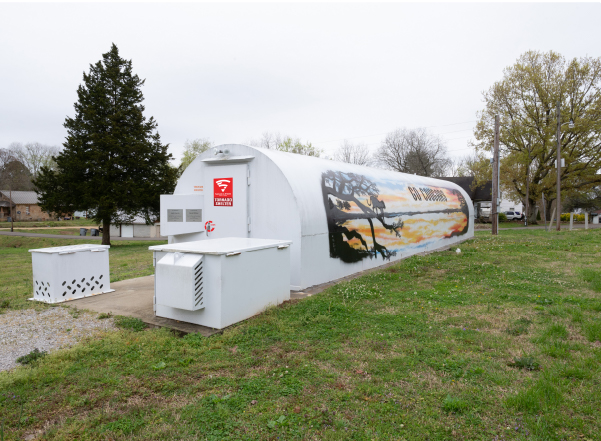 Grant options for different community types align with who is eligible to apply, how the shelter serves the public, and which programs are appropriate for the setting. Match your entity type to the right program list before you begin writing.
Cities And Counties
Municipalities usually lead with FEMA mitigation grants (BRIC or HMGP) and meet the match with bonds, levies, or state funds. Public access is straightforward. Many cities tie shelters to dual-use spaces, like community rooms, libraries, or gyms. With this method, the facility operates every day and covers its costs, even in non-emergency periods. You’ll hear the buzz of a typical Tuesday, see pickleball lines on the floor, and know the same room hardens into a refuge when the sky turns green.
School Districts And Campuses
Schools use BRIC or HMGP for safe rooms and often rely on school bonds as a match. The shelter doubles as a classroom wing, cafeteria, or gym with tornado-rated doors and a roof. Enrollment numbers make BCAs strong because you can count actual, named students. Miss a grant cycle, and you might slip a year; align the bond vote with the grant window, and you cut a whole season off the schedule.
Faith-Based And Nonprofit Facilities
Churches and nonprofits typically participate as subapplicants through a city or county to access FEMA mitigation funds. Document public access during warnings. If the shelter serves a specific neighborhood or family, be clear about the broader public benefit. For a match, combine donations, foundation grants, and a small bank or CDFI (Community Development Financial Institution) loan. Make the recognition tangible: a donor wall, a named room, or a branded gear cabinet—things sponsors can touch when they tour the space. In some cases, nonprofits create a small endowment to cover ongoing maintenance.
Manufactured Housing Communities And HOAs
Mobile home parks and HOAs often structure public-private partnerships with local government. The city holds the grant; the owner grants public access during warnings and maintains the facility. A stand-alone precast unit tucked near the mailboxes—with a lit sign and a siren-linked door schedule—beats sending residents to a crowded hallway every spring.
Tribal Governments
Tribal governments apply directly to FEMA mitigation programs and can access other federal programs tailored to tribal entities. Match sources vary by tribe; many pair FEMA with Bureau of Indian Affairs capital, state funds, or foundation partners. Competitiveness is strong when the shelter provides protection for government services and elders under a single roof.
Rural And Small Communities
Rural towns often lead with USDA Community Facilities for financing, then add grants (BRIC/HMGP) or state dollars. Technical assistance from USDA or regional councils helps with feasibility, procurement, and environmental review. That support shortens the “where do we start?” phase by months.
Frequently Asked Questions (FAQ)
Q: Can a church or nonprofit get a FEMA grant for a community safe room?
A: Yes, but the local government usually sponsors the application. The shelter must meet FEMA P‑361/ICC 500, provide documented public access during warnings, and secure a non-federal match from donations, loans, or local funds.
Q: Do we need to include the FEMA logo on signs or materials?
A: Not usually. FEMA’s mitigation grants don’t require public-facing logos, but check your grant agreement or ask your state if acknowledgment guidelines apply.
How Loans And Bonds Can Finance A Shelter
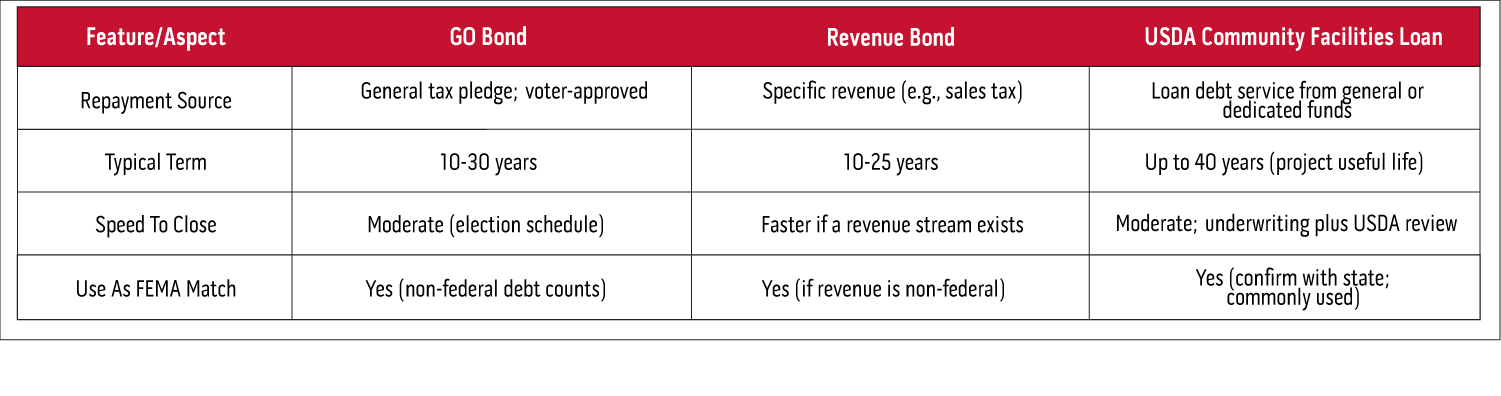
Loans and bonds finance community tornado shelters by providing upfront cash for construction, covering non-federal match, and smoothing timing so you aren’t waiting a year for a grant award. These tools offer an investment in public safety, helping communities take control of shelter readiness rather than waiting on uncertain awards. Debt doesn’t replace grants; it keeps the project on schedule and can be repaid in part by later reimbursements.
General Obligation And Revenue Bonds
A general obligation (GO) bond is backed by the issuer’s full faith and credit and often requires voter approval; a revenue bond ties repayment to a dedicated revenue stream, such as a sales tax or facility fee. GO bonds usually carry lower interest because the pledge is broader. If your community supports life-safety measures, yard signs in August and a clear ballot title in November can unlock your 25% match and let you bid the project in winter for better pricing.
USDA Community Facilities Financing
USDA Community Facilities Direct and Guaranteed Loans offer long terms and stable rates in eligible rural areas. Direct loans come from USDA; guaranteed loans come through local banks with USDA backing. Many towns blend a USDA loan with a small grant piece, then seek a FEMA award in a future cycle to reimburse eligible costs and refinance or pay down principal. The result? A faster ribbon-cutting and lower lifetime cost.
State Revolving Resilience Funds And The STORM Act
Some states operate resilience revolving funds, capitalized under the STORM Act, to provide low-interest loans for mitigation. If your state runs one, safe rooms can qualify, particularly when part of a broader hazard program. These funds disburse faster than federal grants and pair well with BRIC or HMGP once awards are made.
Bank And CDFI Loans For Nonprofits
Nonprofits and faith-based groups sometimes close the gap with a bank or Community Development Financial Institution loan. Terms won’t beat USDA, but speed and flexibility help when construction windows are tight. Pair the loan with a capital campaign and named gifts to pay down principal within two to five years.
How Local Funding And Partnerships Fill The Gap
Local funding and partnerships fill the gap by providing the non-federal match and covering amenities that grants won’t, like furnishings, signage, and extended generator capacity.
Dedicated Taxes And Special Levies
Temporary sales taxes and limited-term levies fund debt service or cash match. Time them to align with bond elections or grant cycles so dollars arrive when contractors need them. A quarter-cent sales tax might seem small until it covers $350,000 in matching and maintenance costs without reducing library hours.
Community Fundraisers And In‑Kind Support
Grassroots campaigns add fuel and build legitimacy. Fundraising events or donor appeals often help close final budget gaps. In-kind contributions, like donated land, architectural hours, or construction management, may count toward the match if documented in accordance with program rules. Keep a log with hours, rates, and signatures.
What Rebates And Tax Incentives Actually Cover
Rebates and tax incentives for storm shelters primarily apply to residential safe rooms, whereas community-scale shelters rely on grants and public financing. That doesn’t mean you’re shut out; some states offer sales tax exemptions and limited credits that reduce project cost if you know where to look.
State Rebate Programs
Several states run periodic homeowner safe room rebates through lotteries or waitlists, which won’t fund a community project. Still, watch state mitigation offices, occasionally, pilot programs support community safe rooms or bolster local match with small grants when budgets allow.
Tax Credits And Exemptions By State
Some states provide income or property tax incentives tied to mitigation improvements. Municipalities don’t pay income tax, but nonprofits may indirectly benefit from donors’ deductions. More common: sales or use tax exemptions on construction materials purchased by a public entity under proper procurement. While not technically subsidies, these exemptions reduce upfront costs in a similar way.
Sales Tax Breaks On Construction Materials
Public owners often qualify for sales tax exemptions on materials when procured under specific methods. That paperwork looks tedious until it reduces your invoice by $60,000 for doors, hardware, rebar, and generator equipment. Confirm procedures before bidding and include them in the contractor instructions.
What Applies Only To Residential Projects
Don’t plan community budgets around homeowner rebates or federal income tax credits meant for individuals. Those incentives help households add safe rooms; they don’t backstop a 300-occupant community facility.
How Much Does a Community Shelter Cost and How To Estimate It
Community tornado shelter costs vary widely depending on construction type, dual-use design, and local market conditions.
The Main Cost Drivers For Community Shelters
Size and occupancy drive the budget first. New-build dual-use spaces (gyms, cafeterias, classrooms) cost more per square foot but serve daily needs. Stand-alone precast units cost less but offer fewer daily benefits. Site conditions like poor soils, utility relocations, and long conduit runs can increase costs. Wind zone matters: stronger winds and higher design wind speeds mean heavier doors, thicker walls, and more steel.
Soft Costs, Operations, And Maintenance
Soft costs, such as architecture, engineering, surveys, geotech, environmental review, permitting, and construction administration, typically account for 20% to 30% of construction costs. Plan an annual maintenance line for drills, generator service, door inspections, and roof checks.
How Cost Ties Back To Match And BCA
Every dollar moves three levers: required match, benefit-cost ratio, and financial capacity. Oversizing the room without a documented need raises match, weakens BCA, and can force a second bond election. Right-size capacity to the population you can serve. Students in the gym, residents within a five-minute walk, congregants on-site during services, and your numbers start clicking into place.
How To Plan A Competitive Funding Application
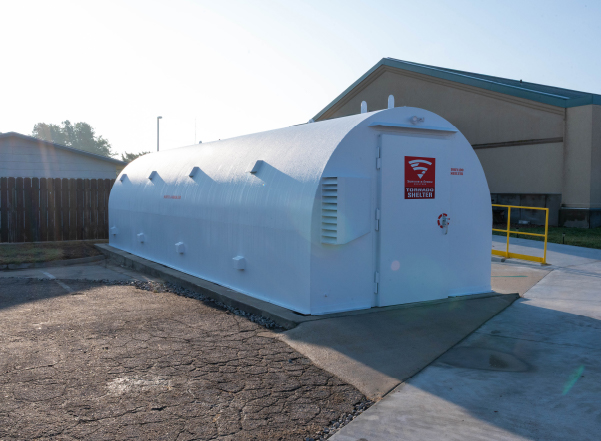 Planning a competitive funding application means addressing risks clearly, lining up eligibility, right-sizing scope, and meeting deadlines with complete, standards-based documents that reviewers can approve without a pile of questions. Start months ahead of the grant window so design, BCA, and environmental review don’t trip your schedule.
Pre‑Application Steps And Timing
Begin with your state hazard mitigation office. Confirm eligibility, match sources, and the grant calendar. Lock site control and define operations: who opens the doors, how you notify the public, how you manage pets, and how you manage accessibility. Schedule a design team to produce preliminary plans aligned to P‑361 and ICC 500, not generic “strong rooms.” And set a realistic timeline—BRIC cycles run annually; HMGP opens after disasters. If you need a shelter before next spring, plan financing now and treat the grant as a reimbursement later.
Designing To FEMA P‑361 And ICC‑500
Write “P‑361/ICC 500 compliance required” on page one of your design scope. That single line prevents expensive redesigns. The standards govern wind loads, debris impact, ventilation, egress, and door hardware. They also shape your BCA because FEMA assumes shelters meet those standards when calculating life-safety benefits. A dual-use gym with compliant doors, roof diaphragm, and protected mechanicals often outruns a stand-alone box on BCA because you spread cost across daily functions.
Environmental Review And Procurement Compliance
FEMA’s Environmental and Historic Preservation (EHP) review covers wetlands, floodplains, cultural resources, and endangered species. Provide maps, photos, and a clean narrative up front. For procurement, follow your state and federal rules—advertise, compete, document. A shortcut here can cost six figures later when an auditor spots a non-competitive contract and de-obligates funds.
Quick Ways To Choose The Right Funding Path
Quick ways to choose the right funding path start with three filters: who you are (city, school, nonprofit, tribe), when you need the shelter, and how you’ll cover the match. Answer those, and the primary path becomes obvious with one or two backup options.
If a disaster was recently declared in your state, lead with HMGP and confirm the application window with your state mitigation office; stack a bond or USDA loan for a match and cash flow. If no disaster window exists and you can wait a year, target BRIC and use the next six months to design to P‑361/ICC 500, run a tight BCA, and line up a match. If urgency is high—say, your current refuge is a hallway with glass on both sides—finance construction now with a GO bond, revenue stream, or USDA loan, then chase a BRIC or HMGP award to reimburse eligible costs and reduce debt.
Keep the shortlist simple. For municipalities and schools: BRIC or HMGP plus a bond or levy. For rural towns: USDA Community Facilities plus BRIC/HMGP later. For nonprofits and churches: a city-sponsored Hazard Mitigation Assistance (HMA) application, paired with a CDFI or bank loan and a capital campaign for a match. This collaboration ensures local capacity and compliance with FEMA guidelines. For tribes: direct HMA application, plus tribal and federal partners. Skip the unicorn grant that promises 100% funding with no match and no strings—those offers burn time and leave you empty-handed when storm season rolls in.
Final story worth noting: a rural church needed a community refuge before spring. They closed a $980,000 USDA Community Facilities direct loan in February, broke ground in March, and opened a 250-occupant precast shelter by August. Then, they worked with the county to submit a BRIC application that reimbursed $420,000 of eligible costs the following year, dropping annual debt service by a third. The result? Safe room ready before storm season, lower total cost, and a maintenance fund seeded by two local employers who wanted their workers’ families protected.
Ready to strengthen tornado safety for your employees? Survive-A-Storm Shelters specializes in FEMA- and ICC-compliant shelters designed for businesses and communities. For more detailed information about how we can help protect your community with the right solution for your organization, or content about FEMA grants, talk to our experts today!
Author