

CATEGORIES:
Tornado Shelters in New Homes: Standard Feature or Optional Upgrade?
September 3, 2026
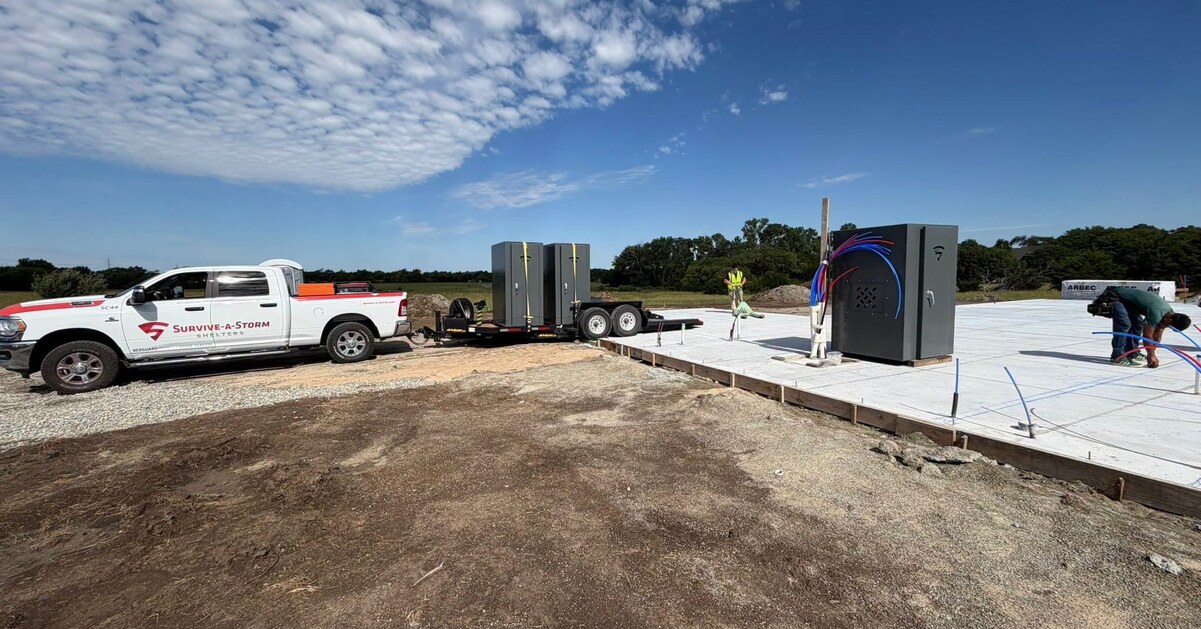
There’s a question that many homebuilders in tornado-prone markets have to consider:
Should tornado shelters be standard equipment in every home, or should they be an optional upgrade buyers can add if they choose?
This isn't a hypothetical question. It's a business strategy question with real implications for margins, competitive positioning, sales velocity, and ultimately, a brand’s identity in the tornado-prone markets where you operate.
The answer depends on market conditions, your target demographic, and your long-term builder positioning, but there's a clearer path forward than most builders realize.
The Market Reality: Demand Is Rising, Mandates Are Coming
Let's start with context. We estimate that more than half of homebuyers in storm-prone regions now prioritize homes with built-in tornado shelters. It's a sign that tornado protection is moving closer to a mainstream buyer expectation.
More importantly, state mandates are already taking effect. Alabama and Illinois now require tornado shelters in new school construction, and many municipalities in high-risk states are following suit on the residential side. Forward-thinking builders need to ask: Is it better to lead this trend, or to be forced into it by regulation?
When regulation does come, builders who've already integrated shelters as standard will have a competitive advantage. Builders caught flat-footed will face retrofit costs, timeline disruptions, and buyer confusion during the transition.
The Financial Case: Standard vs. Upgrade Pricing
Here's where many builders get the math wrong.
Option A Example: Shelter as Standard Feature
- Wholesale cost to builder: ~$4,200–$5,200 (depending on shelter type and volume)
- Amount rolled into home price: $4,000–$7,000 (standard builder markup)
- Cost to buyer (on mortgage): ~$25–$35/month over 30 years
- Perception: This home is built to withstand tornadoes.
Option B Example: Shelter as Optional Upgrade
- Wholesale cost to builder: ~$4,200–$5,200 (depending on shelter type and volume)
- Markup when sold as upgrade: $6,500–$10,000 (higher margins possible on upgrades)
- Cost to buyer (additional payment): $40–$60/month added to mortgage, OR lump sum of $5,000–$8,000
- Perception: This is a luxury safety feature I have to pay extra for.
The margin math looks better on an upgrade, but in reality, most buyers don't buy upgrades when they don't know they need them.
Upgrade adoption rates could run 15–25% in new construction. That means if you build 100 homes and shelters are optional, only 15–25 homes get them. You capture maybe $100,000–$200,000 in additional shelter revenue on $50M+ in home sales.
If shelters are standard, you roll them into every home, improving your competitive position across the entire community, and you can market every single home as "Tornado Safe" without exception.
The Competitive Differentiation Angle
Here's what happens in a competitive market:
Scenario 1: Your company makes shelters standard; competitors don't.
- Your homes: "Built standard with tornado shelters designed to withstand EF5 tornadoes."
- Competitor homes: "Optional tornado shelter available for upgrade"
- Buyer psychology: Your homes feel safer by default. Your competitor's homes feel like they're missing something
- Your marketing: Can emphasize safety and peace of mind across the entire product line
- Their marketing: Must explain why they charge extra for safety
Scenario 2: Everyone in your market makes shelters standard.
- Differentiation moves elsewhere, but shelter becomes expected baseline
- Buyers actively avoid builders who don't offer standard shelters
- You're not differentiated, but you're not at a disadvantage either
Scenario 3: You make them optional; everyone else does too.
- Lowest buyer adoption (most homes built without shelters)
- Highest buyer confusion and hesitation
- Your sales team must overcome objections every single time
- If regulation comes, you're all scrambling
The strongest competitive position? Being first in your market to make shelters standard. You own the "safety leader" positioning before competitors can claim it. By the time they respond, your brand is already built around tornado protection.
The Financing Advantage You're Missing
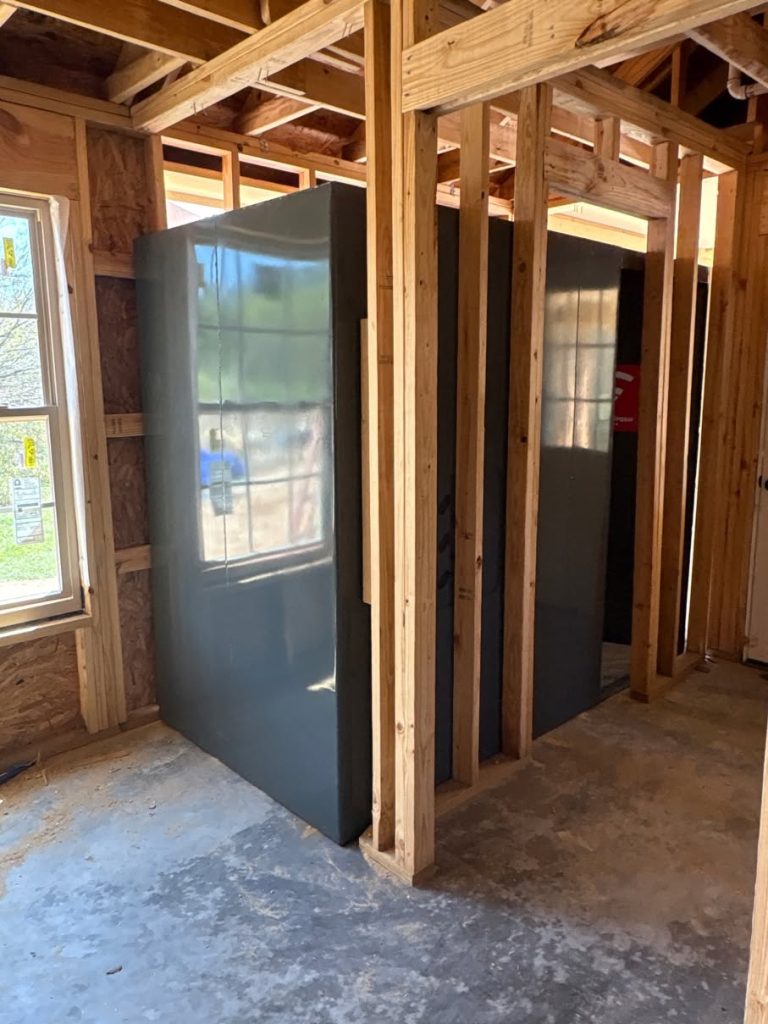 One of the most underutilized selling points for builders offering standard shelters is the financing advantage.
When a shelter is built into the home during construction and included in the mortgage:
- Buyer affordability improves — Example: They don't see a $6,000 add-on cost; they see $30–$35/month over 30 years
- Financing is automatic — No separate loan decision, credit check, or shopping around for contractors
- Lender risk is lower — The shelter is a fixed part of the asset, not a separate contractor agreement
- Buyer psychology shifts — It's a home feature (same as flooring), not a discretionary purchase
Compare this to offering shelters as an upgrade: buyers are now considering an expense on top of a $400,000 home purchase. This is a second decision, often made after the first purchase, and it feels expensive. Adoption rates drop accordingly.
The Timeline and Mandate Reality
Here's the long view: If you're building in tornado-prone markets today, you might see residential shelter mandates within 5–10 years. It won't happen all at once, but it's coming.
Builders who've already integrated shelters as standard:
- Have zero disruption when mandates arrive
- Can market their existing homes as "ahead of code"
- Have supplier relationships and installation processes already refined
- Own the brand positioning before competitors catch up
Builders who fight standard inclusion:
- Face retrofit costs if mandates come to existing homes
- Must rush to integrate shelters into existing product lines
- Lose first-mover positioning on the safety angle
- Face buyer confusion during transition period
The strategic move is to lead this transition voluntarily, not to be forced into it.
Tornado Shelters in New Homes as Standard is a Win for Most Builders
For the majority of builders in tornado-prone markets, making tornado shelters standard is the better business decision, even if it slightly reduces per-home margins. Here's why:
- Entire community positioning: Every home you sell is "tornado safe," not just 15–25% of them
- Competitive moat: Harder for competitors to copy once you own the safety positioning
- Buyer psychology: Shelter feels like a necessary feature, not a luxury add-on
- Financing advantage: Buyers see $30/month on mortgage, not $8,000 expense
- Future-proofing: When mandates come, you're ahead of the curve, not scrambling to catch up
- Marketing simplicity: One clear message ("tornado safe homes") instead of multiple upgrade options to explain
Making the strategic decision to include tornado shelters as standard in your new construction homes puts you ahead of market trends and regulatory requirements. Leading homebuilders across the country have already made this decision, recognizing that tornado safety is no longer optional; it's essential.
Survive-A-Storm Shelters partners with many of the top homebuilders in the nation, integrating tornado shelter solutions seamlessly into new construction projects. We stay current with the latest area mandates and building code requirements across all states, ensuring your homes meet and exceed safety standards today and tomorrow.
By partnering with Survive-A-Storm, you can offer a product that enhances the safety of your customers' homes while adding value to your builds.
For more information or to get started with the Homebuilder and Dealer Wholesale Program, contact us at 888-360-1492 or email homebuilder@survive-a-storm.com
FAQ: Tornado Shelters in New Homes - Standard vs. Upgrade
Q: Won't making shelters standard reduce my profit margins?
A: Slightly per unit, yes—but you'll sell more homes overall because buyers perceive them as safer and more valuable. The margin reduction is offset by volume, faster sales cycles, and higher average selling prices across the entire community. Plus, you eliminate the cost of educating buyers about the shelter option.
Q: What if buyers don't want to pay for tornado shelters in new homes if they might never use them?
A: Frame it correctly. A shelter isn't an expense; it's insurance. Like foundation waterproofing or hurricane-resistant roof shingles in coastal communities, it's standard baseline protection. When communicated as "built-in peace of mind," buyer resistance drops dramatically. And remember: if the majority of buyers prioritize shelters, you're losing sales by not including them.
Q: How does this affect my resale value for homes?
A: Tornado shelters do boost a home's resale value! Studies show homes with tornado shelters sell faster and at premium pricing (3–5% higher in tornado-prone markets). When shelters are standard, this becomes a consistent competitive advantage—every home you sell retains that resale premium, not just the 15% that were upgraded.
Q: Can I start with optional shelters and move to standard later?
A: Yes, but it's harder. You'll have retrofit costs, inconsistent product positioning, and confused messaging. Better to commit to standard from the launch and market it as core to your brand from day one.
Q: What size shelter should I include as standard?
A: That depends on your target home size. Generally: above-ground shelters for 6–8 people capacity in a 1,500–2,500 sq ft home; 8–12 capacity for larger homes. Work with a shelter vendor (like Survive-A-Storm) to right-size based on your typical buyer demographic.
Q: How does this affect building timelines?
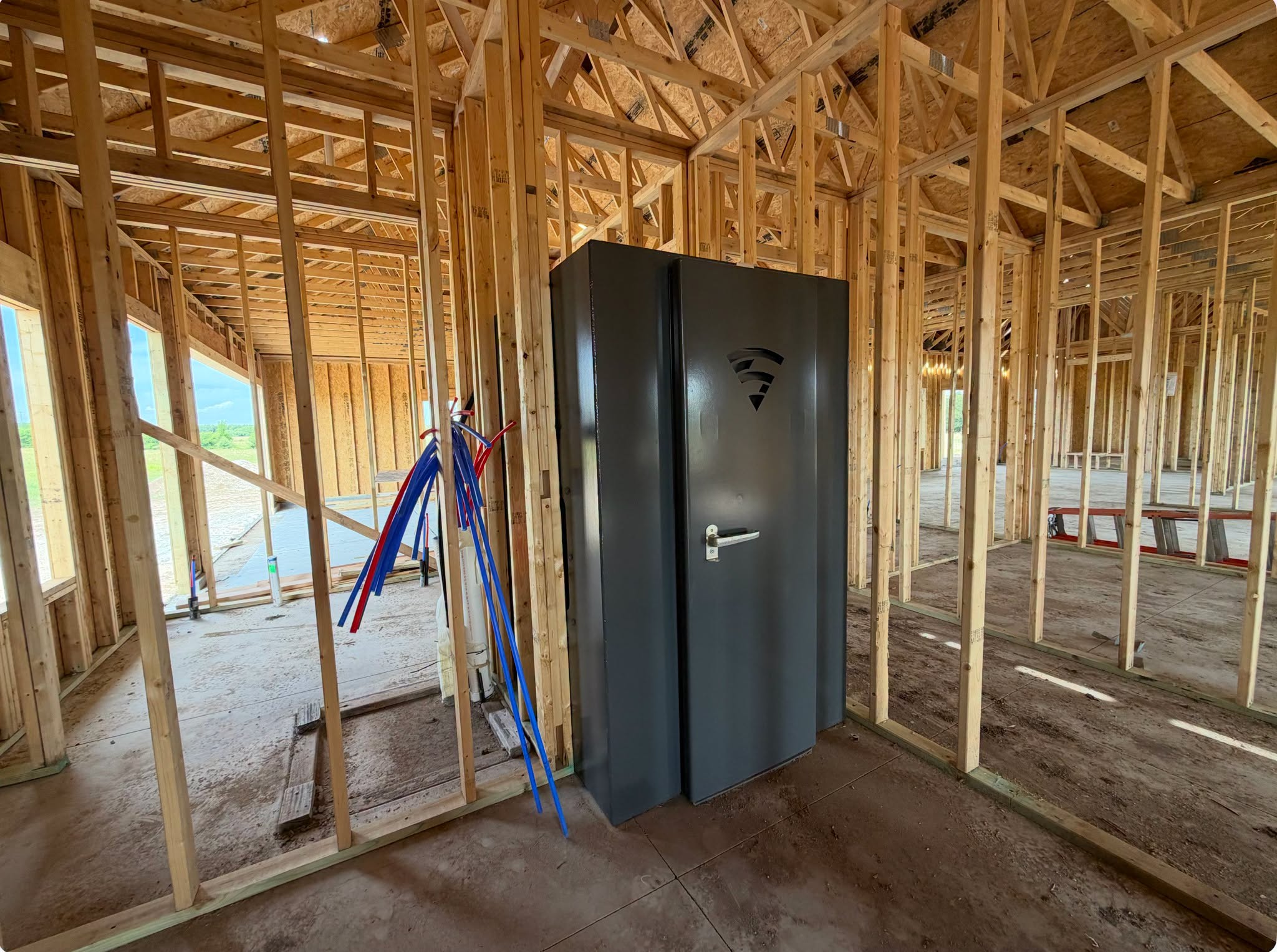
A: When shelters are planned into the foundation design and installed during construction, there's minimal timeline impact—typically just coordination with foundation pouring. In fact, integrating from day one reduces complications compared to retrofitting later.
Author