


CATEGORIES:
What Prepared Homeowners Do Differently Before a Tornado
March 26, 2026
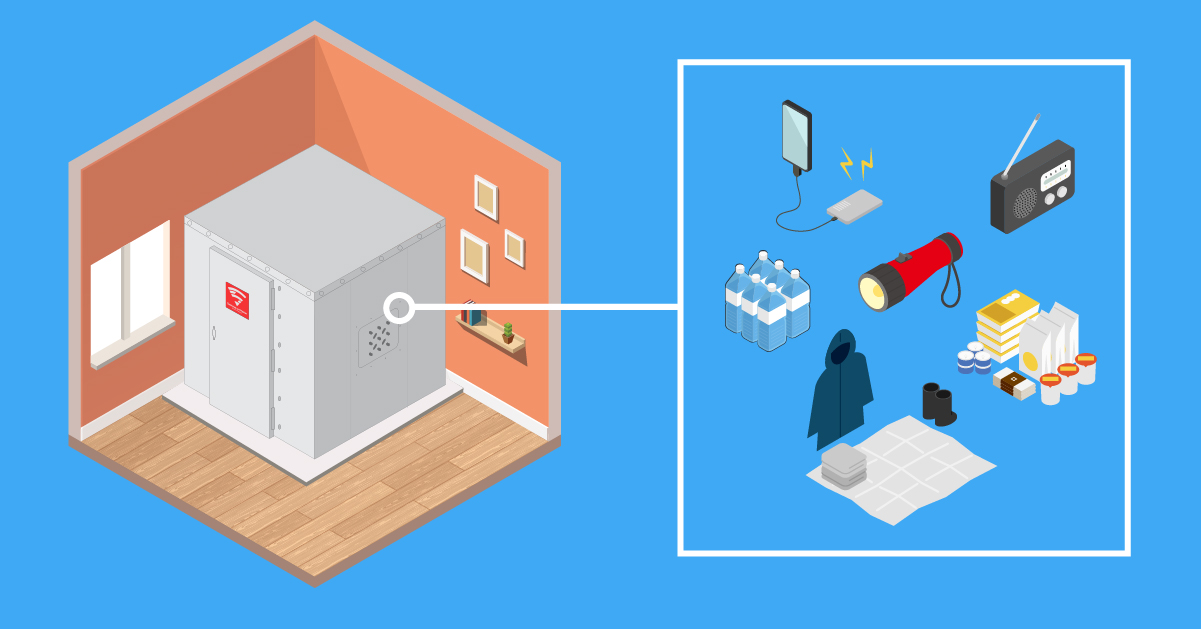
Prepared homeowners don't just react when tornado warnings blare. They've already made the critical decisions, stocked the supplies, and practiced the plan so that they know what to do when sirens sound. The difference between being prepared and unprepared isn't luck or extra money. It's systematic preparation that transforms tornado threats into manageable, survivable events.
 If you do not have an underground or above-ground shelter to use, most prepared homeowners select interior rooms on the lowest floor without windows, ideally bathrooms or closets with sturdy walls. They keep these spaces consistently stocked rather than scrambling during warnings.
The Essential Checklist Prepared Homeowners Follow
Prepared homeowners work from a comprehensive checklist that transforms abstract tornado threats into concrete, actionable tasks. You don’t have to be perfect, but it helps to work from a list, so you don't have to remember everything under stress. The most effective checklists organize preparation across five core categories: shelter readiness, emergency supplies, communication plans, document protection, and home reinforcement. Families who complete these categories before tornado season tend to feel more confident rather than anxious when watches are issued.Shelter Readiness Requirements
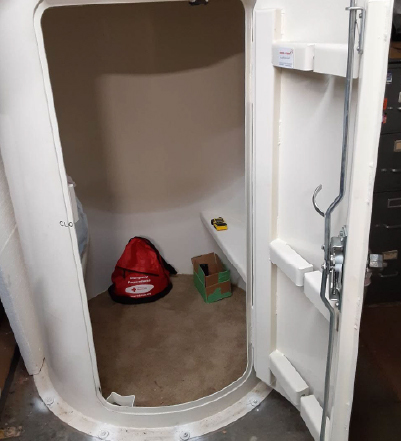
Your designated shelter space needs consistent stocking, not last-minute preparation. Prepared families identify their shelter location during calm weather, then keep it supplied year-round. This means flashlights stay in that space, not in a drawer you'll need to search during a warning. The shelter checklist includes confirming that the space is accessible to all family members, including older relatives and young children, and keeping heavy furniture or appliances away from walls that could collapse inward. Most prepared homeowners check their shelter space monthly, the same way they test smoke detectors. Pro Tip: Store a pair of sturdy shoes in your shelter space. Post-tornado environments are filled with glass, nails, and sharp debris that will shred bare feet or socks within seconds of stepping out.Communication And Documentation
Prepared families designate an out-of-state contact person that everyone calls after the storm passes. Local cell networks often fail during disasters, but long-distance calls may still connect. This single person becomes the information hub for your scattered family members. Document protection means keeping waterproof copies of insurance policies, identification documents, property deeds, and medical records either in your shelter space or in a fireproof safe. Digital backups stored in cloud services work too, but you need to write down the account passwords somewhere accessible if your phone is destroyed.Home Reinforcement Steps
The neighbors who fare best during tornadoes have secured everything outside that could become a projectile. Patio furniture, grills, trash cans, and yard decorations can all become dangerous in 100+ mph winds. Prepared homeowners either bring these items inside or anchor them to concrete foundations before storm season begins. Garage door reinforcement is another common preparation step in tornado-prone regions. Standard garage doors fail at surprisingly low wind speeds, and once they collapse, wind enters your home, increasing internal pressure that can blow out walls. Horizontal bracing kits cost around $200 and can be installed in an afternoon, but they significantly improve your home's ability to withstand tornado winds.What Goes In A Real Tornado Emergency Kit
Prepared families keep complete 72-hour emergency kits because they understand that help may not arrive immediately. According to Ready.gov, your kit should sustain your household for at least three days without outside assistance.Core Survival Supplies
Water storage follows the one-gallon-per-person-per-day standard, which means a family of four needs 12 gallons for a 72-hour supply. This sounds like a lot because it is. Municipal water systems often fail after tornadoes damage treatment plants and distribution infrastructure. Nonperishable food means items you can eat without cooking, since gas and electricity will likely be out. To be a prepared homeowner, stock protein bars, canned goods with pull-top lids, dried fruit, and nuts. Add baby formula and pet food to this category if your household needs them. First aid supplies should include adhesive bandages in multiple sizes, antibiotic ointment, pain relievers, prescription medications with at least a 30-day supply, and any medical devices like inhalers or EpiPens that family members depend on. The Red Cross recommends keeping a first-aid manual in your kit, since you may need to treat injuries without professional medical help available.Communication And Lighting Equipment
A battery-powered NOAA Weather Radio with SAME technology lets you receive warnings even when cell networks fail. These radios can be programmed to alert only for your specific county, to reduce false alarms that cause people to ignore warnings. You can also use advanced warning solutions such as StormWarn, which provides critical advance notice when severe weather threatens your area. Flashlights and extra batteries belong in every emergency kit, but headlamps work better than handheld flashlights because they keep your hands free. Prepared families keep one light source per person rather than expecting everyone to share. Portable phone chargers and backup battery packs maintain communication capability after power fails. A fully charged 20,000mAh power bank can recharge most smartphones four to five times, giving you several days of emergency communication capacity. Q: How often should I replace supplies in my emergency kit? Water and food need to be rotated every six months. Check expiration dates on medications quarterly. Batteries should be tested twice per year and replaced if they show weak voltage. Most prepared homeowners set calendar reminders during spring and fall to review their entire kit.Documents And Personal Items
Waterproof document containers protect insurance policies, identification cards, bank account information, and property deeds from water damage. Even if your home survives, heavy rain often accompanies tornadoes and can destroy paper documents. Cash reserves matter because ATMs don't work without electricity, and credit card systems may be down for days. The Federal Emergency Management Agency suggests keeping several hundred dollars in small bills in your emergency kit. Comfort items for children, including favorite toys or books, can reduce anxiety during shelter periods. Prepared parents also pack activities, such as coloring books or card games, to keep young children occupied during long waits in cramped spaces.How Prepared Families Choose Their Shelter Space
If you do not have an underground or above-ground shelter to use, most prepared homeowners select interior rooms on the lowest floor without windows, ideally bathrooms or closets with sturdy walls. They keep these spaces consistently stocked rather than scrambling during warnings.
What Makes A Safe Shelter Location
Interior rooms provide protection because exterior walls fail first when tornadoes strike. Windows become entry points for debris and pressure changes. Small spaces like bathrooms offer structural advantages because the walls support each other, and plumbing provides some reinforcement. According to NOAA's tornado safety guidelines, you should put as many walls as possible between yourself and the outside. This means a closet in a ground-floor bathroom offers better protection than a first-floor bedroom, even if both lack windows.Basement Versus Interior Room Options
Basements provide optimal tornado protection because below-ground placement shields occupants from both wind forces and flying debris. Prepared homeowners with basements position themselves under sturdy furniture or workbenches for additional overhead protection from collapsing floor joists. Homes without basements require carefully selected ground-floor interior rooms. The center bathroom usually works best because plumbing pipes add structural reinforcement. Avoid large rooms, like living areas, where longer ceiling spans are more prone to collapse. Key Takeaway: Mobile homes offer virtually no tornado protection. If you live in a manufactured home, your preparation must include identifying the nearest community shelter or a friend's house with a basement where you can shelter during warnings.What Safe Rooms Actually Cost
FEMA-rated safe rooms range from $3,000 for basic above-ground units to $10,000 or more for underground installations. The price varies based on size and installation. Many prepared homeowners in high-risk tornado zones view this as essential infrastructure similar to home insurance. Above-ground safe rooms typically cost less because installation is simpler. These steel or reinforced-concrete boxes can be placed in garages or interior spaces. Below-ground shelters require excavation and drainage systems, which increases installation costs but provides maximum protection. The FEMA Hazard Mitigation Grant Program offers rebates that can cover a significant portion of safe room costs in eligible high-risk areas (often up to 75%). These grants have helped thousands of families afford protection they couldn't manage at full price. Your state emergency management agency can explain eligibility requirements and application processes. Some prepared homeowners who can't afford permanent safe rooms reinforce their existing spaces. Installing solid-core doors, adding deadbolt locks that resist wind pressure, and stocking adequate supplies improves protection in the absence of a purpose-built safe room. These improvements help, but it’s important to note that they don’t turn an ordinary closet or interior room into a FEMA-rated safe room.When To Take Action: Watch Versus Warning
Prepared homeowners understand that a tornado watch means conditions are favorable for a tornado, while a tornado warning means a tornado has been spotted or indicated on radar. The National Weather Service explains this distinction clearly: watches mean prepare, warnings mean act. During tornado watches, prepared families review their plans, charge their phones, bring outdoor items inside, and ensure everyone knows the designated shelter location. They continue normal activities but stay weather-aware. This is the time to fill bathtubs with water in case service is interrupted and to cook any food that won't keep, if power fails. Tornado warnings require immediate shelter. The average warning lead time is only 10-15 minutes. However, some tornadoes touch down with even less notice. Prepared families move to shelter positions as soon as the warning is issued, rather than waiting to see if conditions worsen. Q: What if I'm at work when a tornado warning is issued? Many commercial buildings have designated shelter areas, usually interior hallways or rooms on lower floors. Ask your employer about the building's tornado plan before the severe weather season. Prepared workers know where to go without asking during an emergency.Why Practiced Families Run Tornado Drills
Families who practice tornado drills twice per year move to shelter three to four times faster during actual warnings. Everyone knows their designated shelter spot, what to bring, and their specific roles, like gathering pets or grabbing emergency kits. Muscle memory activates during high-stress situations, replacing conscious decision-making, which can be impaired by panic. Prepared families have converted their tornado response into automatic behaviors that function even when fear makes thinking difficult.Setting Up Your First Drill
Start by timing how long it takes your family to reach the shelter space from different locations in your home. Most people are surprised to discover they need 60 to 90 seconds rather than the 20 seconds they assumed. This timing reveals whether your plan is realistic given your available warning time. Assign specific responsibilities during drills. One adult grabs the emergency kit, another collects pets and gets the children moving, and a teenager unplugs electronics to prevent electrical fires caused by power surges. These role assignments prevent confusion about who does what when seconds matter.What To Practice Each Season
Spring and fall drills should include a variety of scenarios. Practice one drill during the daytime and another at night, since many tornadoes occur between 6 pm and midnight, when darkness complicates navigation. (The Joplin tornado is an example.) Night drills reveal whether you have adequate lighting and whether children can find the shelter space without seeing clearly. Regular practice maintains readiness because emergency procedures fade from memory without periodic reinforcement. Prepared families treat tornado drills like fire drills, running them routinely rather than only when severe weather threatens.What Unprepared Homeowners Consistently Overlook
The most common oversights include forgetting pet supplies in emergency kits, failing to secure outdoor furniture, not having a rally point for separated family members, and neglecting to photograph possessions for insurance documentation. Pet carrier accessibility during emergencies often gets overlooked. Animals panic during storms and require secure transport containers. Prepared pet owners keep carriers in accessible locations rather than storing them in attics or garages where they're unreachable during warnings. Important document copies prevent recovery delays because original documents are destroyed and require months to replace. Prepared homeowners keep digital scans of driver's licenses, passports, insurance policies, property deeds, and vehicle titles stored in cloud services or on USB drives, kept in waterproof containers. Medication supply gaps create health crises since pharmacies close and prescriptions cannot be refilled during disaster response periods. Many insurance plans allow 90-day supplies specifically for this reason. Prepared families maintain at least a 30-day buffer beyond their current prescription. Neglecting window coverings increases the risk of injury because glass shards become projectiles, even in interior rooms, through doorways and ventilation systems. Closing interior doors before sheltering slows debris penetration and provides additional barriers between you and exterior walls. The absence of a communication plan leads to family separation because cell networks fail, and meeting places aren't predetermined. Prepared families establish a rally point outside the immediate area where everyone can regroup if the home is destroyed or family members are separated after the tornado. The difference between prepared and unprepared homeowners isn't special knowledge or unlimited resources. It's the systematic completion of concrete tasks before stress impairs judgment. You can become a prepared homeowner by working through these categories methodically rather than trying to do everything at once.Take the Next Step in Tornado Preparedness
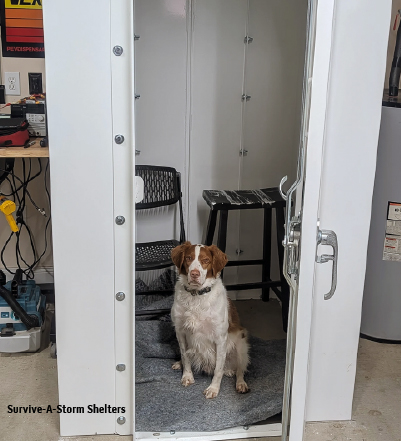
You've learned what prepared homeowners do differently; now it's time to complete your own tornado protection plan. Survive-A-Storm Shelters manufactures FEMA-rated tornado shelters designed to withstand EF5 tornadoes, giving your family the ultimate protection when warnings are issued. Whether you need an above-ground shelter for easy accessibility or an underground installation for maximum protection, our team will help you choose the right solution for your property and budget. Don't wait until tornado season arrives to make the most important safety decision for your family. Contact Survive-A-Storm today for a free consultation and quote, or explore our full range of shelter options, including StormWarn monitoring technology, to ensure you're never caught unprepared again.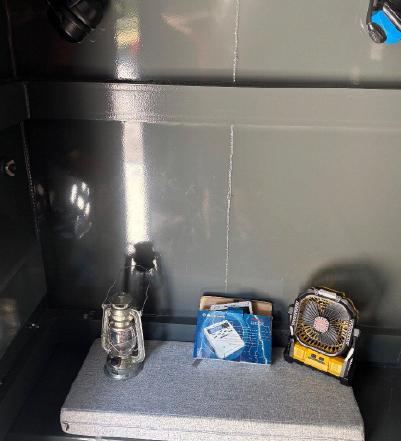
Frequently Asked Questions About Tornado Preparedness
How can I create a tornado emergency plan?
Creating a tornado emergency plan involves several key steps to ensure the safety of you and your loved ones. First, identify a safe location in your home or workplace, such as a basement or an interior room on the lowest floor without windows, where everyone can take shelter quickly. Next, assemble an emergency kit containing essentials like water, nonperishable food, flashlights, batteries, a first-aid kit, and important documents. It’s crucial to stay informed by having multiple ways to receive weather alerts, including a NOAA weather radio and smartphone apps with push notifications. Practice tornado drills regularly so that everyone knows how to respond swiftly when a warning is issued.How do I identify a safe room in my house?
To identify a safe room in your house for tornado preparedness, look for an interior room on the lowest floor of your home, preferably a basement or a small, windowless space such as a bathroom, closet, or hallway. The ideal safe room should have sturdy walls made of concrete or brick to withstand high winds and flying debris. Avoid rooms with exterior walls or windows, as these are more vulnerable during a tornado. Additionally, ensure the room is easily accessible from all parts of the house so you can quickly reach it when a warning is issued. Stocking this space with emergency supplies like water, nonperishable food, a flashlight, and a first-aid kit will further enhance your safety during severe weather events.How should I secure outdoor items before a tornado?
Before a tornado approaches, securing outdoor items is crucial to prevent them from becoming dangerous projectiles. Begin by bringing smaller objects such as patio furniture, grills, flowerpots, and toys indoors, if possible. For larger items that cannot be moved inside, firmly anchor them to the ground using heavy-duty straps or chains secured to sturdy anchors like concrete blocks or ground stakes. Fragile items can be wrapped in protective coverings or tarps and secured tightly with bungee cords to minimize damage. Clearing the yard of loose debris such as branches, leaves, and trash will also reduce hazards. Taking these precautions not only protects your belongings but also enhances overall safety by reducing flying debris during the tornado’s high winds.How often should I update my emergency kit?
You should update your emergency kit at least twice a year to ensure all supplies remain effective and relevant. This biannual check allows you to replace expired food, water, medications, and batteries, and adjust the contents based on changes in your family’s needs or local weather patterns. It’s also wise to review and refresh your kit after major seasonal shifts—such as before tornado season begins—to make sure you’re fully prepared for the specific challenges that may arise. Regular updates help maintain readiness and can make a critical difference in safety during a tornado emergency.How can I stay informed about tornado warnings?
To stay informed about tornado warnings, it is essential to utilize multiple reliable sources and technologies that provide real-time updates. First, ensure you have a NOAA Weather Radio with a battery backup, as it broadcasts continuous weather information and will sound an alert when a tornado warning is issued in your area. You can also download trusted weather apps on your smartphone, such as the National Weather Service app or other reputable local meteorological services, which send push notifications for severe weather alerts. Watching local news channels during stormy conditions can also keep you updated with live reports from meteorologists. Signing up for community alert systems or emergency notification services through your city or county can provide timely warnings via text messages or emails.How do I practice a tornado drill with my family?
To practice a tornado drill with your family effectively, start by selecting a safe location in your home, such as a basement or an interior room on the lowest floor without windows. Gather everyone and explain the importance of the drill, emphasizing quick and calm responses. Set a specific time to conduct the drill, using a loud alarm or a designated signal to simulate a tornado warning. Have each family member practice moving swiftly to the safe area, taking essential items like emergency kits and helmets, if available. Once assembled, review safety procedures such as covering heads with pillows or blankets and staying low to the ground. Afterward, discuss what went well and identify any improvements for next time.How can I protect pets during a tornado?
To protect pets during a tornado, it is essential to prepare a safe, secure shelter in advance, such as a sturdy basement or an interior room without windows, where pets can be safely kept. Make sure to have a pet emergency kit ready, including food, water, medications, leashes, carriers, and comfort items like blankets or toys to reduce their stress. During the tornado warning, keep pets close and calm by speaking softly and reassuringly; if possible, place them in carriers to prevent injury from flying debris. Additionally, ensure pets have proper identification tags and microchips in case they become lost amid the chaos.How should I communicate with family during a tornado?
During a tornado, effective communication with family is crucial to ensure everyone's safety and coordination. Before a storm hits, establish a clear emergency plan that includes designated meeting points and multiple methods of communication, such as text messages, phone calls, and social media check-ins. Since tornadoes can disrupt cellular networks, prioritize sending brief text messages over calls to conserve battery and increase the chance of message delivery. Use group messaging apps that work over Wi-Fi or in offline modes and consider investing in weather radios or emergency communication devices like satellite messengers for areas prone to outages.How do I recognize early signs of a tornado?
Recognizing the early signs of a tornado involves paying close attention to specific atmospheric and environmental cues. One of the most common early indicators is a dark, often greenish sky, which results from the reflection of sunlight off large hail within a severe thunderstorm. You might notice a sudden, intense drop in temperature, accompanied by a shift in wind direction and a rapid increase in wind speed, which often becomes very strong and erratic. A distinctive roar, similar to a freight train or a jet engine, can also signal an approaching tornado. Another key sign is a visible rotating cloud base or a funnel-shaped cloud descending from the storm.How can community resources help me prepare?
Community resources play a vital role in helping individuals prepare for tornadoes by providing essential information, training, and support networks. Local emergency management offices often offer workshops and drills that teach residents how to create effective safety plans, identify safe shelter locations, and assemble emergency kits tailored to tornado scenarios. Additionally, community centers and schools frequently serve as hubs for distributing weather alerts and educational materials, ensuring that everyone stays informed about the latest storm developments. Volunteer organizations and neighborhood groups can also facilitate communication and assistance, especially for vulnerable populations such as seniors or people with disabilities. By leveraging these community resources, individuals can enhance their readiness, reduce panic during emergencies, and increase overall resilience against tornado impacts.Author


The leading manufacturer and distributor of prefabricated steel above ground and below ground tornado shelters, and community safe rooms.


Privacy Policy | Terms Copyright ©2026 Survive-A-Storm. All rights reserved.