

CATEGORIES:
The Top 3 Reasons Realtors Recommend Storm Shelters in Tornado-Prone Markets
June 11, 2026

If you've toured homes in Oklahoma, Kansas, or Texas, you've probably heard your realtor mention storm shelters unprompted. It’s part of the sales conversation because realtors know that in tornado-prone markets, shelter status affects how homes are priced, how long they sit on the market, and how much buyers are willing to offer.
Why Realtors Bring Up Storm Shelters
Realtors operate at the intersection of safety and financial outcomes. While buyer safety certainly matters, realtors also understand how storm shelters influence buyer confidence and transaction outcomes. That means their endorsement of storm shelters carries a different kind of weight than a safety brochure. When a realtor brings up a storm shelter without being asked, it's because they know many buyers consider it an important factor in their decision.
Reason #1: Home Buyers Demand Storm Shelters
In states like Oklahoma, Kansas, and Texas, storm shelter status has become a standard listing detail. Buyers relocating from lower-risk regions may ask, "Does this house have a storm shelter?" before they ask about school districts. A house with no safe space to escape a tornado may not even make the shortlist for a buyer who has experience with tornadoes. First-time buyers in tornado alley rely on realtor guidance to understand which safety features matter most, and experienced realtors in these markets have learned that addressing shelter status early prevents objections that stall closings later.
In these markets, buyers often arrive with a mental checklist that naturally includes their desired square footage, kitchen finishes, number of bedrooms and bathrooms, and unsurprisingly, storm protection. Experienced realtors recognize the demand.
Q: Should I ask about a storm shelter when house hunting in tornado alley?
Yes, and most experienced realtors in tornado alley states like Oklahoma, Kansas, and Texas will bring it up before you ask. If, or when you bring it up, ask specifically whether the shelter is FEMA P-320 or ICC-500-compliant and when it was installed. A shelter designed in accordance with FEMA guidance is often viewed as a more desirable feature by prospective buyers, homeowners and insurers alike.
What Realtors See That Buyers Don't
 A realtor closing hundreds of transactions in a high-tornado-frequency market builds pattern recognition that individual homeowners don’t see. Realtors observe firsthand how the presence of a shelter shapes buyer behavior during showings, shortens offer timelines, and affects final sale prices across comparable properties. Individual homeowners make this decision once or twice in a lifetime. Realtors see it play out dozens of times per year.
Storm Shelters Differentiate and Help Homes Stand Out
The National Association of Realtors recognizes storm shelters as significant home features in high-risk regions, and realtors in tornado alley states increasingly tout homes in their MLS descriptions as having tornado shelters. Sometimes this is even a searchable feature of a home, rather than a footnote in the description. That shift in listing practices reflects what buyers in these markets prioritize when filtering homes.
Reason #2: Storm Shelters Increase Resale Value
Professionally installed storm shelters in tornado-prone markets function less as optional upgrades and more as valuable home features. Buyers in these markets already expect access to shelter. When a home already has one installed, buyers don't need to budget for installation, which directly translates to higher offer prices.
Experienced realtors in Oklahoma and Texas report that homes with compliant storm shelters sell faster and command a higher sale price over comparable shelter-free properties. The financial return on a shelter installation isn't speculative in these markets.
Markets Where the Premium Is Highest
The resale premium for storm shelters is most pronounced in areas with documented tornado history that rank higher on the Enhanced Fujita (EF) scale, not simply anywhere within the broad "tornado alley" label. According to NOAA's Storm Prediction Center historical tornado data, Oklahoma, Texas, and Kansas consistently rank among the highest states in the country for tornado frequency and intensity. That means shelter-equipped homes in those regions have higher resale values because buyers have direct personal exposure to tornado risk.
The Oklahoma Association of Realtors has long recognized that buyer priorities vary by market. In parts of Oklahoma where tornado risk is a regular concern, many homebuyers view a storm shelter as a desirable feature when comparing properties. While the exact impact on home value varies by location, condition, and market, a professionally installed shelter makes a home more attractive to prospective buyers.
Key Takeaway: A storm shelter in a tornado-prone market isn't a luxury upgrade. In high-frequency counties across Oklahoma, Kansas, and Texas, it's an amenity that buyers both pay more for and expect.
Reason #3: Safety and Peace of Mind
A storm shelter's greatest value isn't measured in dollars. It's knowing your family has a place to go when seconds matter. Peace of mind extends far beyond storm season. It means having a plan instead of making split-second decisions, reducing anxiety when severe weather is in the forecast, and knowing that children, elderly family members, and pets have a dedicated place of protection.
Realtors know that buyers aren't just evaluating square footage and finishes. They're also thinking about how well a home will protect the people they love. Realtors suggest listings with storm shelters to provide their buyers a sense of emotional relief.
Bonus Reason: Potential Insurance Savings
Homeowners’ insurance in tornado alley states can be expensive and realtors know that. They may remind you that some insurers recognize storm shelters as a risk-reduction feature and may offer discounts for homes with tornado shelters built to FEMA guidelines or ICC-500 standards.
Realtors familiar with local insurance markets sometimes flag this as a feature that will improve a home's total cost-of-ownership calculation, because buyers don't always connect shelter installation to annual premium savings until someone walks them through the math.
The Details About Storm Shelter Insurance Discounts
Discount structures are typically applied to the windstorm or personal property coverage component of a homeowner’s policy rather than the base premium. The Oklahoma Insurance Department notes that some insurers may offer discounts for compliant storm shelters. The availability and amount of any discount depends on the insurer, the policy, and the shelter itself.
Calculating the Payback Timeline
The payback math is straightforward once you have two numbers: your annual insurance savings and your shelter installation cost. In some cases, resale value and insurance savings together may offset a significant portion of installation costs, but actual results vary substantially by market and property.
For homeowners planning to hold a property for 10 or more years in a high-tornado-frequency zone, the combined return of insurance savings plus resale premium typically exceeds installation cost well before the property is listed for sale.
Pro Tip: When requesting a storm shelter insurance discount, ask your insurer specifically whether they require shelters compliant to ICC-500, FEMA P-320, or both. Clarifying this detail gives you time to gather the necessary information.
Is a Storm Shelter Worth It in Tornado Alley?
When a licensed real estate professional whose income depends on accurate market knowledge consistently recommends a feature across demand, resale values, safety, and maybe even insurance savings – that’s a strong signal that the investment in a tornado shelter is sound. Storm shelters in tornado-prone markets combine life safety and financial return in a way that most home improvements don't. That’s what makes the realtor recommendation so consistent across markets.
When the Answer Is Clearly Yes
Realtors give their strongest endorsements for storm shelter installation in specific homeowner profiles. Owner-occupied homes in areas with a higher frequency of tornadoes, as documented by NOAA's Storm Prediction Center tornado climatology data, represent the clearest case for installation. Buyers planning to remain in their homes for several years often have more opportunity to benefit from both the safety and financial advantages a storm shelter can provide. Households with children or elderly members benefit from the reduction in injury risk during tornado events, which carries a weight that purely financial ROI calculations don't fully capture.
The realtors recommending homes with tornado shelters in tornado-prone markets have already done the math and they keep arriving at the same answer. Buyers want homes with compliant storm shelters to protect their families now, and give their homes higher resale value down the road.
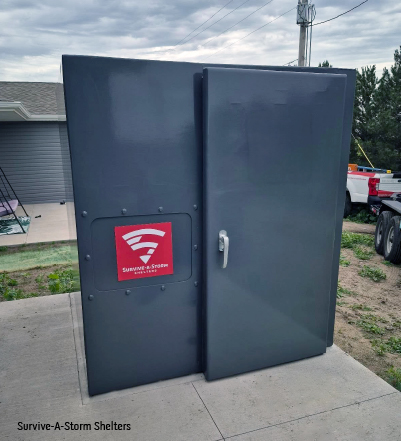
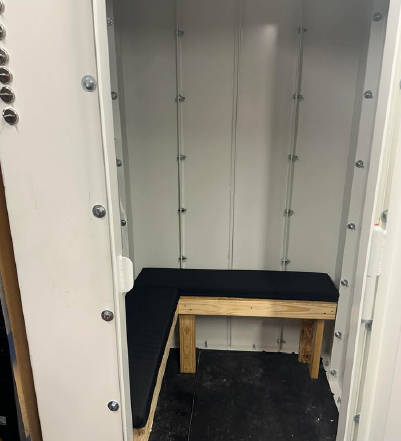
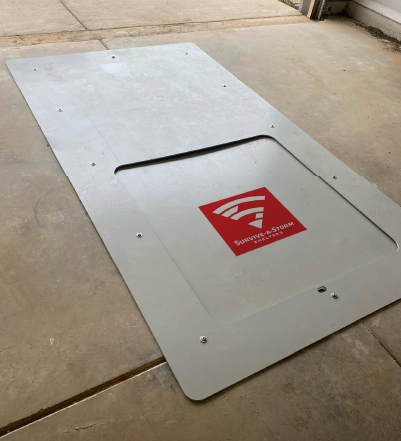
Survive-A-Storm Shelters has helped homeowners and builders across Oklahoma, Kansas, Texas, and beyond make that decision with confidence by providing compliant above-ground and underground safe rooms built to FEMA P-320 guidance and ICC 500 requirements. If you're ready to add the feature that tornado alley buyers look for first, contact Survive-A-Storm today and let us help you get it right.
Frequently Asked Questions About Storm Shelters and Home Value in Tornado-Prone Markets
Do storm shelters increase home value in tornado alley?
Yes. The impact varies by location, market conditions, and buyer preferences, but storm shelters are often viewed as a desirable feature in tornado-prone regions. The Oklahoma Association of Realtors has noted that local market conditions influence which home features buyers value most. In areas where tornado risk is a regular concern, a professionally installed storm shelter may make a home more attractive to prospective buyers and help it stand out from comparable properties.
Why do realtors recommend storm shelters in Oklahoma, Kansas, and Texas?
Realtors in tornado-prone markets recommend storm shelters because shelter status affects how homes are priced, how long they sit on the market, and how many qualified buyers engage from the first showing. Realtors closing hundreds of transactions in high-tornado-frequency markets build pattern recognition that individual homeowners never accumulate — they observe firsthand how shelter presence shortens offer timelines, reduces buyer objections, and affects final sale prices across comparable properties. When a licensed real estate professional whose income depends on accurate market knowledge consistently recommends a feature across safety, insurance, and resale dimensions simultaneously, that convergence is a meaningful signal.
Do storm shelters reduce homeowners’ insurance premiums?
Yes, in many cases. Some insurers operating in Kansas, Oklahoma and Texas offer discounts on wind and storm coverage for FEMA-compliant shelters and ICC 500-compliant safe rooms. Documentation requirements vary by insurer. Ask your insurance provider what documentation they require before assuming a discount will apply.
How much can a storm shelter save on homeowners' insurance?
The Oklahoma Insurance Department notes that insurers operating in the state may offer discounts for FEMA or ICC 500-compliant structures. The actual savings depend on your specific insurer, your coverage structure, and your property's risk profile. When combined with the resale premium a compliant shelter generates in high-frequency markets, the total financial return is favorable, particularly for homeowners planning to hold the property for five or more years.
Do homes with storm shelters sell faster?
Yes, in tornado-prone markets. Realtors report that shelter-equipped homes spend less time listed than comparable homes without shelters. Shelter presence functions as a silent filter for buyers who treat tornado protection as a near-non-negotiable feature. Homes without shelters face a narrowed buyer pool from the first showing, while shelter-equipped homes attract more showings from qualified buyers, particularly relocating families who are specifically searching for compliant shelter-equipped homes before they even contact a realtor. Shelter type, compliance to FEMA guidance, and capacity are now routinely featured in MLS listing headlines rather than buried in the amenities section in these markets.
Should I ask about storm shelter details when buying a home in tornado alley?
Yes, ask specifically whether the shelter is FEMA P-320 or ICC-500-compliant, when it was installed, and whether the seller has the original documentation about the storm shelter model. (They might even have the engineer-stamped drawings for the shelter.) This allows you to check if the shelter was purchased from a manufacturer that is a producing member of the National Storm Shelter Association, an independent organization that provides guidance for storm shelter quality and safety. A shelter without these things may still provide physical protection, but cannot be used to support an insurance discount claim.
Is a storm shelter worth installing before selling a home in tornado alley?
In high-tornado-frequency markets, the financial case is often straightforward. If comparable homes with compliant shelters are selling for more than shelter-free properties in your county, and you’ve owned your home for many years, then the answer is usually yes. Realtors give their strongest endorsement of pre-sale tornado shelter installation in homes in zones that have a high number of tornadoes on the upper end of the Enhanced Fujita scale. It would also be worth it in areas where buyer demand for shelter-equipped properties is the most active and the documented resale premium is most consistent.
What type of storm shelter adds the most value to a home?
A professionally installed, ICC 500-compliant shelter with engineer-stamped drawings, from a manufacturer that is an NSSA member, adds the most verifiable value. Above-ground steel safe rooms bolted to a garage slab are the most common compliant residential configuration and the easiest for buyers and their insurers to evaluate because the unit is visible, accessible, and carries manufacturer information that can be cross-referenced against NSSA records. Underground in-ground shelters are highly valued in tornado alley markets as well, particularly in Oklahoma, where they are culturally expected. Information about their installation matters equally.
Which states have the strongest real estate market for homes with storm shelters?
Oklahoma, Kansas, and Texas are consistently among the states with the strongest buyer demand and most measurable resale premiums for storm shelter-equipped homes, driven by documented tornado frequency and intensity in those states. NOAA's Storm Prediction Center historical data consistently ranks Oklahoma, Texas, and Kansas among the top states in the country for tornado frequency and EF2 or stronger events. Within those states, the premium is most pronounced in specific high-frequency counties where buyers have the most direct personal exposure to tornado risk and treat shelter presence as a near-non-negotiable feature rather than a bonus amenity.
Author