
CATEGORIES:
What Modern Tornado-Ready Home Design Looks Like
December 9, 2025
Tornado risk is no longer limited to “Tornado Alley.” As severe weather expands into new regions, resilient home designs are becoming a smart differentiator and, increasingly, a buyer expectation.
Strategies for Builders in an Expanding Tornado Zone
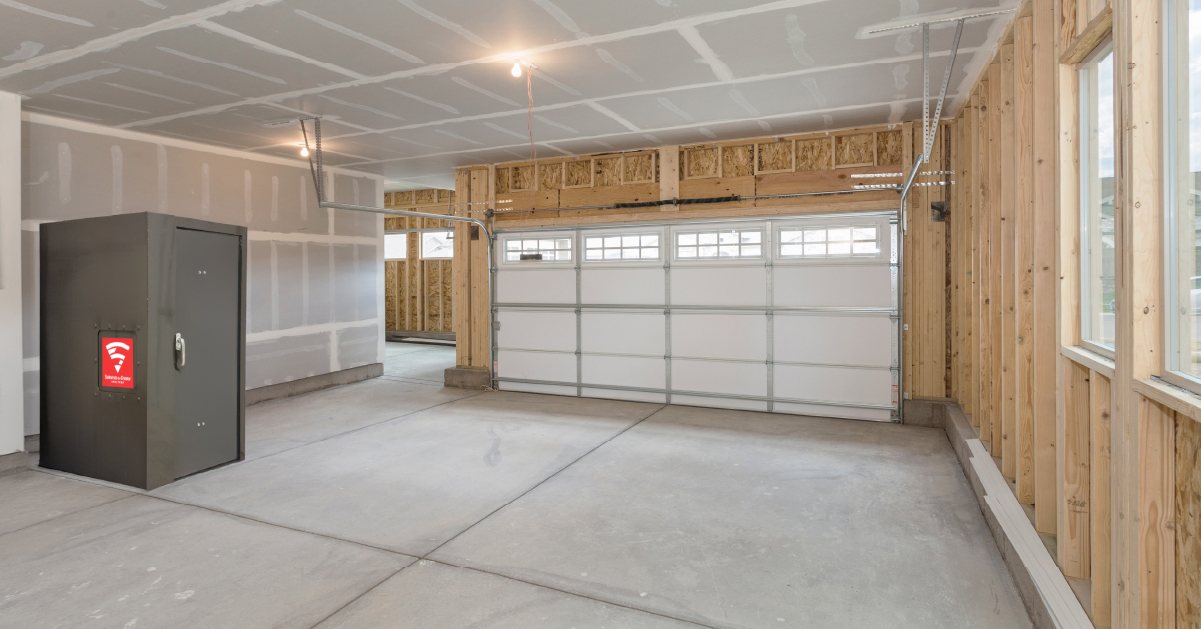
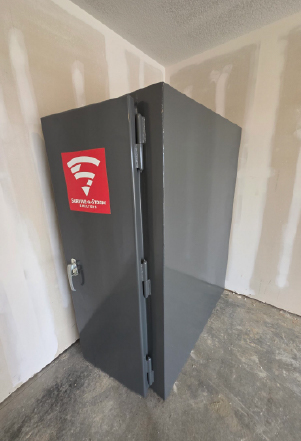
Storm resilience starts with the architecture and design phase, not as an afterthought. Builders who plan for safety from the beginning are using garage-integrated shelters, dual-use interior rooms, and creative design choices to balance space efficiency with safety.
Today’s most forward-thinking homes include features like safe rooms that double as laundry spaces, walk-in pantries, or master closets. They provide security without sacrificing square footage. This tornado-ready home design approach signals sophistication, not fear, and positions resilience as part of a well-lived life.
Incorporating reinforced walls, impact-rated doors, and multiple functions into standard floor plans shows buyers that you’ve considered where they live and how they want to feel in their home. A tornado-safe home can be just as welcoming, stylish, and functional as a luxury property.
Integrated vs Add-On: Where to Place Storm Shelters in Homes
Location matters. Many buyers in storm-prone regions prefer garage-integrated storm shelters because they’re easy to access and don’t disrupt the home’s visual flow. These shelters are closer to primary entry points and tend to feel more natural in a floor plan. For homes without garages, reinforced rooms, like a laundry room or interior pantry, can serve double duty as protected spaces.
In some layouts, storm shelters may also be placed in a basement or near utility areas where access to electrical and plumbing systems is already planned. Thinking through these situations early ensures that the shelter works with the overall flow of the house, providing an image of calm during storms.
By planning ahead and selecting locations within the home's footprint, builders avoid costly retrofits and provide a level of convenience that buyers appreciate. A well-placed, well-disguised shelter communicates care, planning, and modernity, all qualities today’s buyers respect and reward.
Above-Ground, Below-Ground, and Dual-Use Storm Shelter Safe Spaces
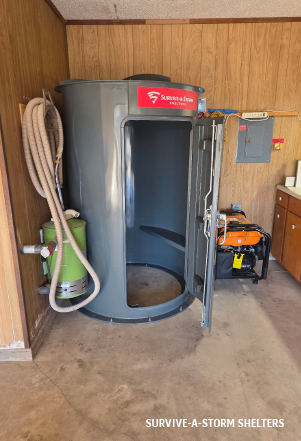
Above-ground storm shelters have evolved significantly. Once seen as inferior to underground options, today’s above-ground safe rooms, when built to ICC-500 standards, are just as protective, easier to access, and better suited for families with mobility challenges. They're also around 50% cheaper to install than below-ground units and don’t present the same flood risk.
Shelters that meet these standards are tested against extreme forces, including the kind of wind speeds and flying debris that cause structural damage during severe weather conditions. These shelters avoid vulnerable design elements like windows or unreinforced roofs, which are common failure points in traditional home construction.
Meeting ICC-500 and FEMA P-320 Without Breaking the Budget
 Storm safety doesn’t have to break the bank. Modular shelters start at around $5,000 and can be installed during the early construction phase to save on labor and materials. Site-built shelters average around $12,000 but offer greater design and customization flexibility. Either option can be offset by federal and state funding.
Programs like FEMA’s Hazard Mitigation Grant can cover up to 75% of shelter costs in qualifying counties. Smart builders are already leveraging these resources to offer turn-key resilience packages that appeal to buyers and improve margins. Investing in ICC-500 and FEMA P-320 shelters increases your market appeal and gives your brand the credibility to command premium pricing.
Positioning, Messaging, and Marketing to the Resilience-Minded Buyer
Tornado-ready design isn’t just about structure; it’s also how you communicate those features to potential buyers. Homebuilders who lead with empowerment, clarity, and thoughtful safety messaging are the ones earning trust and closing deals faster.
In a market where buyers are researching storm risks, comparing protection levels, and filtering for “storm-ready” features, the way you talk about resilience can set your brand apart.
Language That Connects: “Smart Safety” vs “Fear-Based” Selling
The words you use to describe safety features can mean the difference between engagement and emotional shutdown. Buyers want to feel empowered, not afraid. Replace terms like “panic room” with “family safe space.” Focus on utility, peace of mind, and everyday usability. Words like “smart safety,” “next-gen protection,” and “resilience built-in” suggest innovation rather than fear.
Showcase how a well-designed shelter enhances, rather than disrupts, daily life. When you position safety as part of a modern lifestyle rather than a doomsday scenario, you attract confident, future-minded buyers.
Sales Enablement: How to Train Teams to Talk About Tornado Protection
Sales professionals need training and scripts that go beyond specs. They need emotional intelligence. Equip your teams to answer objections with empathy and authority:
- “Why does this matter here?” → “Our region has seen a 40% increase in severe weather events over the past decade.”
- “Is it worth the investment?” → “Homes with safe rooms sell faster, often at a premium, and qualify for lower insurance rates.”
Give your sales teams visuals, stats, and third-party validation to build credibility. Confidence in the feature begins with confidence in the salesperson.
Signaling Quality and Care in a Competitive Market
Storm shelters, impact-rated features, and resilience language should appear front and center in your MLS listings, model home signage, and digital tours. Buyers are already using “storm-ready” filters on home search platforms, so meet them where they are.
You can also strengthen your reputation by aligning with emergency preparedness groups. Partner with local agencies to offer community workshops or sponsor safety events. These collaborations build trust, visibility, and brand equity beyond the sale, especially in tight-knit communities.
Highlighting the benefits of storm shelters helps buyers understand their full value. People want to protect what matters most: their homes, their families, and their rights to feel secure in changing weather conditions.
Case Studies and Market Data That Prove the ROI
Real-world sales data is reinforcing what forward-thinking builders already know: resilience adds value. In markets with frequent severe weather, storm shelters and safe rooms are selling points that move homes faster and at a premium.
Homes with Storm Shelters: Appraisal Impact and Resale Trends
In markets like Moore, Oklahoma, or Birmingham, Alabama, both once devastated by tornadoes, homes with certified shelters now sell for up to 4% more than those without. In some areas, new builds are increasingly including safe rooms as standard features, and those homes often spend less time on the market compared to non-equipped homes.
While the size of the resale premium varies, buyers are showing consistent interest in safety features. Builders and agents in high-risk areas frequently report that storm-ready homes generate more showings, sell faster, or command more competitive offers when the shelter is FEMA-compliant and fully integrated.
Buyers want safety, and they’re proving it with their wallets. Builders who invest in certified shelter installation are not only protecting lives, they’re unlocking financial upside.
Builder Differentiation in Oklahoma, Texas, and Alabama Markets
One Oklahoma builder saw a 30% increase in total home sales after adding ICC-500-rated safe rooms to all new builds. Across high-risk regions like Oklahoma, Texas, and Alabama, realtors report that buyers ask about storm safety features early in the process, sometimes even before layout or finish selections.
That’s a clear signal: builders who anticipate resilience expectations and deliver code-compliant, smartly marketed solutions will rise above the noise in competitive markets.
Action Steps for Builders Ready to Lead in Resilient Tornado-Ready Home Design
Builders looking to lead in tornado-ready home design need more than good intentions: they need the right tools, partners, and planning. These steps can help streamline implementation, ensure code compliance, and deliver the safety features today’s buyers expect.
Vendor Vetting and Shelter Integration Best Practices for Enhanced Safety
Resilient design begins with the right shelter partner. Look for manufacturers listed with the National Storm Shelter Association (NSSA) and insist on shelters built according to FEMA P-320 and ICC-500 guidelines. Require documentation for impact and wind testing and ask about ADA compliance, ventilation specs, and installation protocols.
Shelters made from steel or reinforced concrete offer greater protection than standard materials and are more resistant to long-term wear. These units are designed for installation in both new buildings and existing structures, and are often secured using welded baseplates and heavy-duty straps to ensure performance under pressure. They are anchored directly to the foundation for maximum stability.
Builders should also verify compliance with local building codes, especially when integrating shelters into wood-framed homes. Upfront product selection can reduce future maintenance and provide lasting durability buyers will notice.
Prefabricated units can speed up construction timelines by up to 50% and reduce costs. Integration of a storm shelter, whether custom-built or modular, should occur early in the design process to optimize aesthetics and functionality.
Leveraging Grants, Rebates, and Insurance Incentives
There’s money on the table for smart builders. The FEMA Hazard Mitigation Grant Program can subsidize up to 75% of eligible shelter costs in qualifying counties. There is a shelter rebate program in Oklahoma, the Sooner Safe Room Rebate program, that offers homeowners up to $3,000 in post-installation rebates through a lottery-based system. Partnering with insurers to bundle discounts can sweeten the deal further.
When builders do the legwork to integrate these programs into the sales and design process, they reduce buyer hesitation, increase close rates, and reinforce brand credibility.
Educating Buyers About Tornado Safety Without Overwhelming Them
Safety education doesn’t have to be scary. Use visual storytelling: infographics, diagrams, or side-by-side comparisons to show how safe rooms withstand EF-5 winds. Offer short explainer videos and virtual walkthroughs of storm-safe model homes. Show them how to take practical precautions as a survival method.
Host “resilience days” in partnership with emergency management teams or local meteorologists. Empower buyers with confidence, not fear, and you’ll win trust that lasts beyond the transaction.
Final Takeaway: Resilience Is the New Luxury
Building Trust, Protecting Families, and Leading with Integrity
Today’s homebuyers are savvy, more prepared, and more emotionally aware than ever. They’re not just looking for square footage or high-end finishes; they’re looking for security, confidence, and long-term peace of mind. A 2023 Zillow survey found that over 80% of homebuyers consider climate risks when shopping for a home. That’s a clear signal that safety and resilience are top priorities. When you lead with safety, you lead with care, for the people you service and for the future.
Whether your site includes tall trees, open fields, or dense subdivisions, accounting for wind-borne hazards and regional vulnerabilities can help your shelter strategy perform better. Every shelter plan should take into account the local terrain, access points, and family needs.
Why Future-Proofing Today Builds Long-Term Business Value
As more homes come under severe weather and climate‑risk exposure, resilience becomes a growing imperative for builders. Recent data shows that roughly one in four U.S. homes today faces “severe or extreme” wind, flood, or climate‑related risk and a significant share are exposed to wind hazards. In this context, embedding disaster‑resilient design and storm shelters is a competitive advantage.
Safety sells. It retains. And when integrated with intention, it elevates your brand in every market you serve. Whether you're planning one home or building out a full development, Survive‑A‑Storm can help you choose the right shelter system, align with code, and get installation right.
Take the first step in making tornado safety a standard feature in your new builds. Partner with Survive-A-Storm to seamlessly include a tornado shelter in the construction process and in the price of a new home.
Author